How the James Webb Telescope Caught the Universe’s Oldest Dying Star
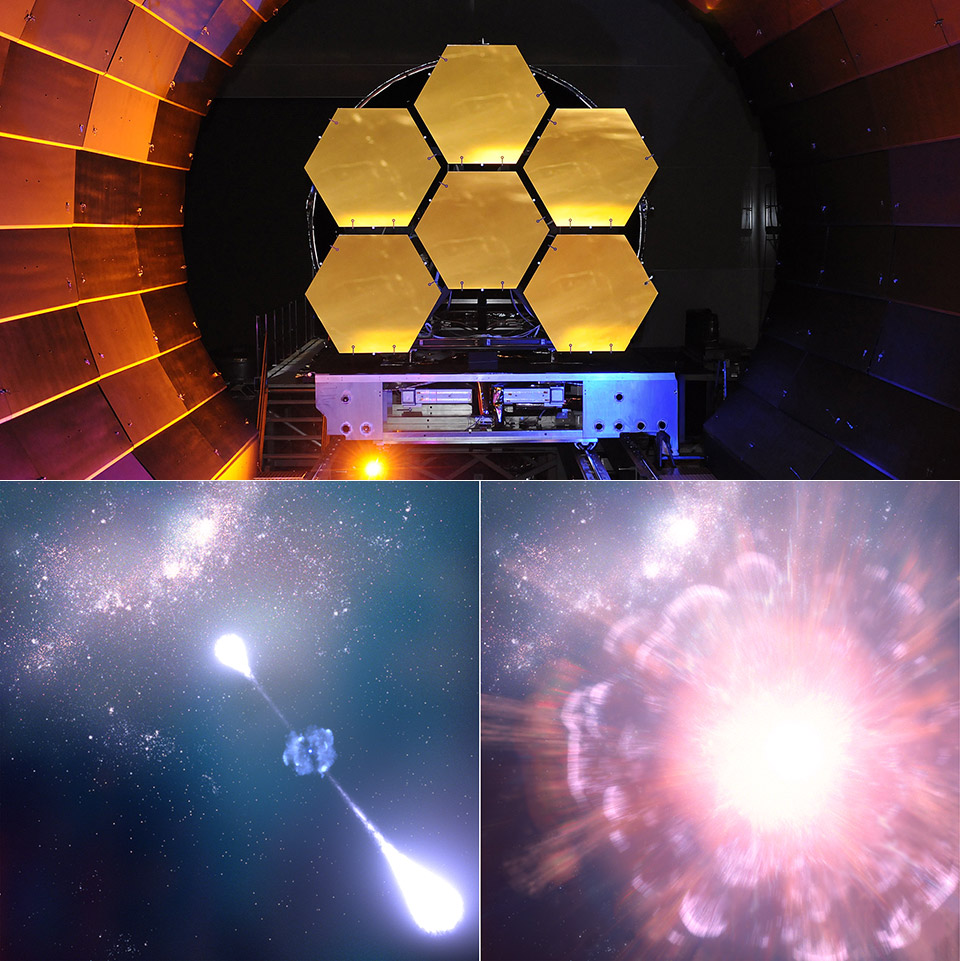

Astronomers now have a new measuring stick to peek into the universe in its early stages. NASA’s James Webb Space Telescope has captured the earliest known supernova on camera, a mind-blowing stellar explosion that lit up the universe some 730 million years ago. At the time, galaxies were still finding their feet, and stars were burning with an unrestrained ferocity. This discovery pushes the timing for such massive events back more than a billion years, providing a better understanding of how the early cosmos formed its first heavy elements.
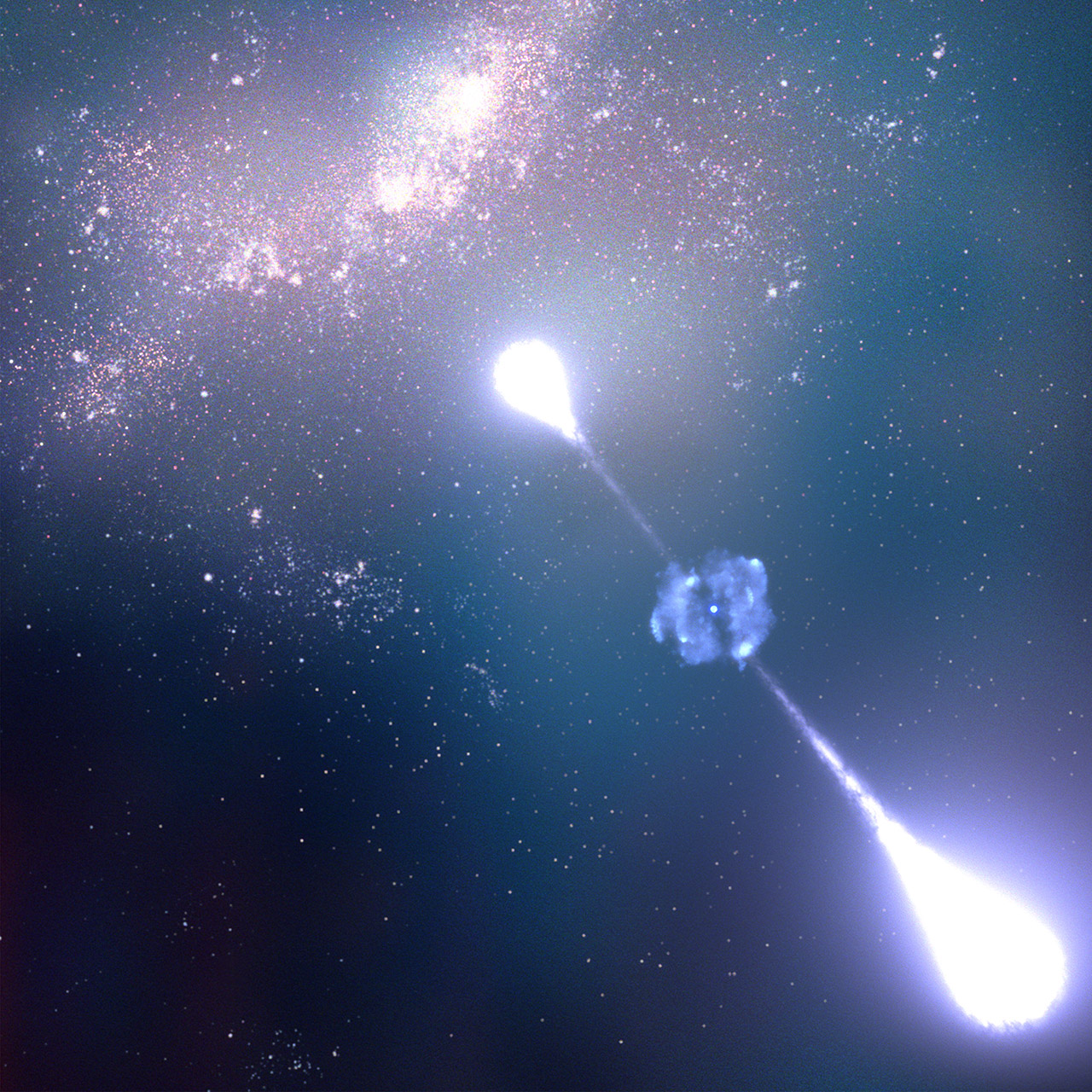
It all began with a large flash of light. On March 14, 2025, the SVOM (French Chinese) satellite captured a gamma-ray burst, a shorter-than-split-second explosion of incredibly intense light that ranks among the most violent phenomena in nature. This one, labeled GRB 250314A, lasted only 10 seconds. Teams all throughout the world jumped into action as soon as they learned about it. The Neil Gehrels Swift Observatory at NASA pinpointed the source of the signal, the Nordic Optical Telescope detected an infrared afterglow (the lingering glow that follows a blast), and the European Southern Observatory’s Very Large Telescope measured how much the light was stretched. Then all the indicators pointed to a huge star running out of steam, the type that supplies the universe with heavy elements like iron and gold.
Sale

Telescope, 90mm Aperture 700mm with Vertisteel AZ Mounting Slow-Motion Mount, High Power for Astronomy…
- Powerful Optical Performance: This telescope features a 90mm aperture and 700mm focal length refractor design for superior optical performance,…
- Precise Adjustment: The Vertisteel AZ mounting base allows for precise positioning and free stopping of the non-polar axis – the follow and stop…
- Convenient Accessories: With a wireless remote control and cell phone adapter, it’s easy to capture stunning images of the universe. The included…
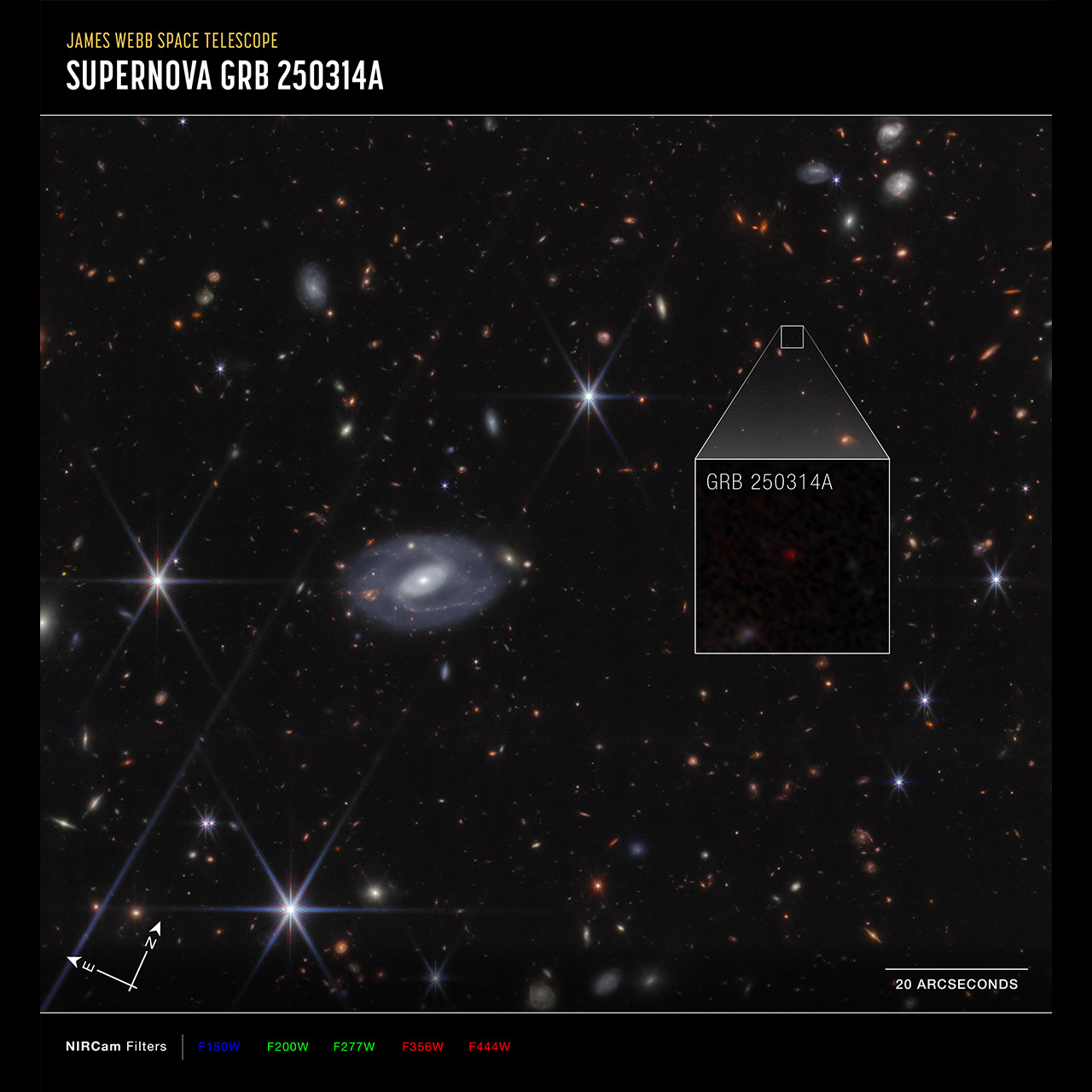
Webb joined the picture months later, on July 1st, as part of a fast-track observation strategy. The delay made sense since light from such enormous distances is driven apart by the universe’s expansion, so what appears to be days later on Earth is months or even years earlier in the cosmos. The supernova, now known as the afterglow’s hidden partner, was on the approach of attaining its peak brightness, which coincided with Webb’s observations. Its infrared vision penetrated the cosmic cloud and photographed the exact curve of the fading light, allowing researchers to show for the first time that a gamma-ray burst had produced a supernova like this one.
That confirmation came with a nice bonus: Webb was able to identify the host galaxy, a faint red smear taking up only a few pixels. Galaxies in the early days generally appeared like this: compact, reddish, and smudgy because to the dust and distance involved. This one fits in well with its contemporaries, the first islands in space where stars began to cluster and develop. Knowing where that old supernova detonated opens up a whole new avenue of research into how those early star systems developed and evolved throughout time. Levan’s team, which included Nial Tanvir of Leicester University and Benjamin Schneider of Marseille’s Astrolab, reported their findings in Astronomy and Astrophysics Letters. And what they discovered was that the explosion itself was extremely similar to those we see now, which is surprising considering how lean the mix of components was in the early cosmos.
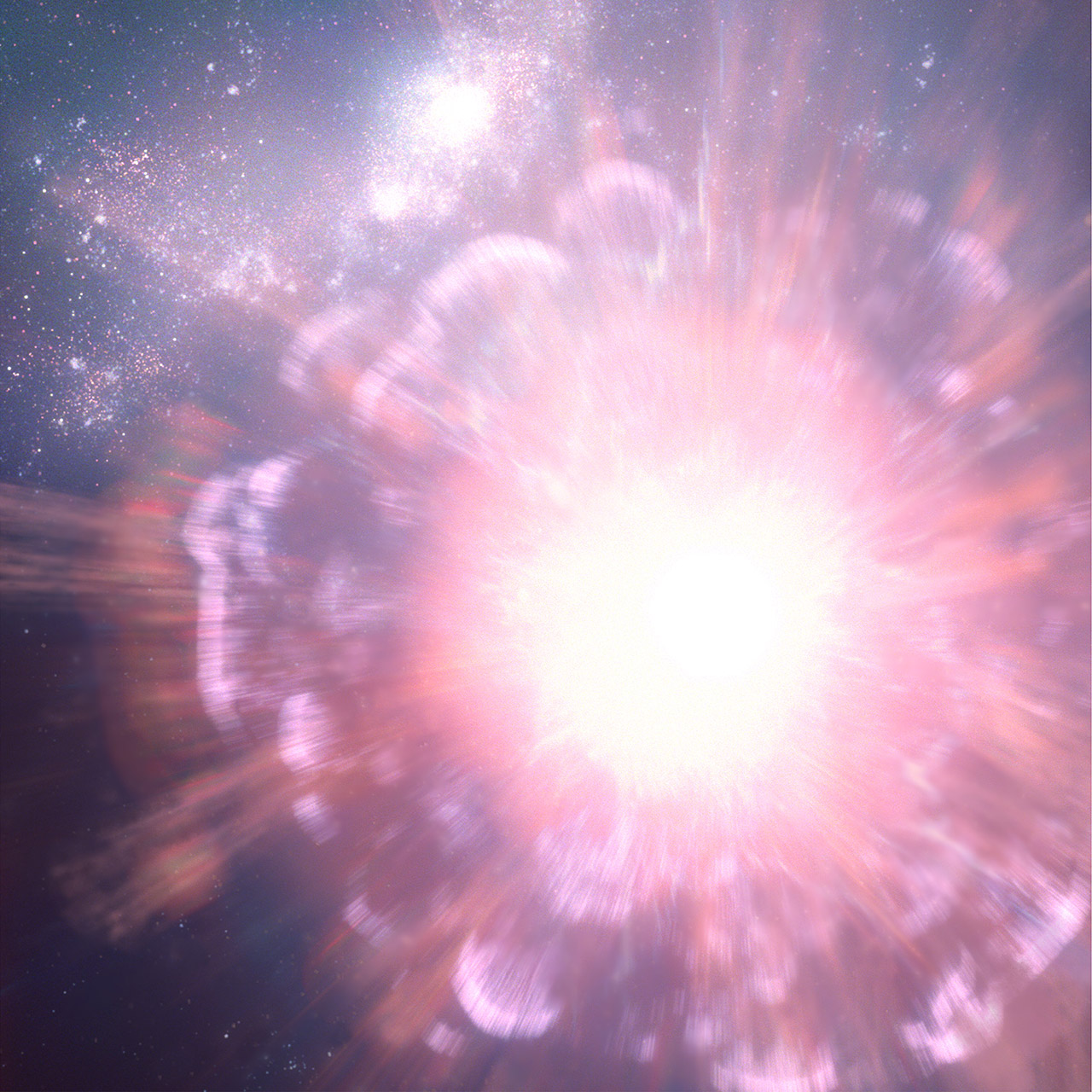
Back then, stars were larger and shorter-lived, and with fewer heavy metals to act as a brake on their combustion, they burned out more faster. To top it all off, we were in the midst of the reionization epoch, in which ultraviolet radiation from all those young stars stripped electrons from neutral hydrogen, allowing us to see the cosmos more clearly. Nonetheless, the supernova’s light curve was quite identical to those we see today, which was somewhat surprising. Nial Tanvir had this to say:”We went in with open minds… And lo and behold, Webb showed that this supernova looks exactly like modern supernovae.” There may be some minor differences in the details, but the fundamental process of gigantic stars collapsing, spitting out their guts, and forming the building blocks for the future was the same as it is today.
[Source]
How the James Webb Telescope Caught the Universe’s Oldest Dying Star
#James #Webb #Telescope #Caught #Universes #Oldest #Dying #Star