ARIA is a Student-Built Modular EV That Begs to Be Fixed
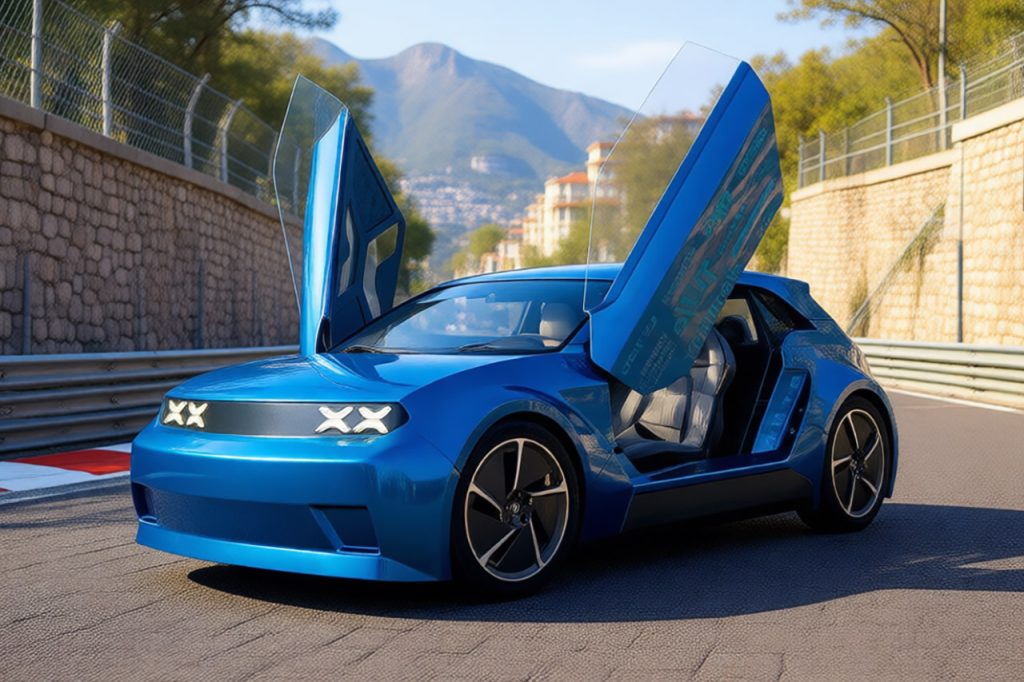
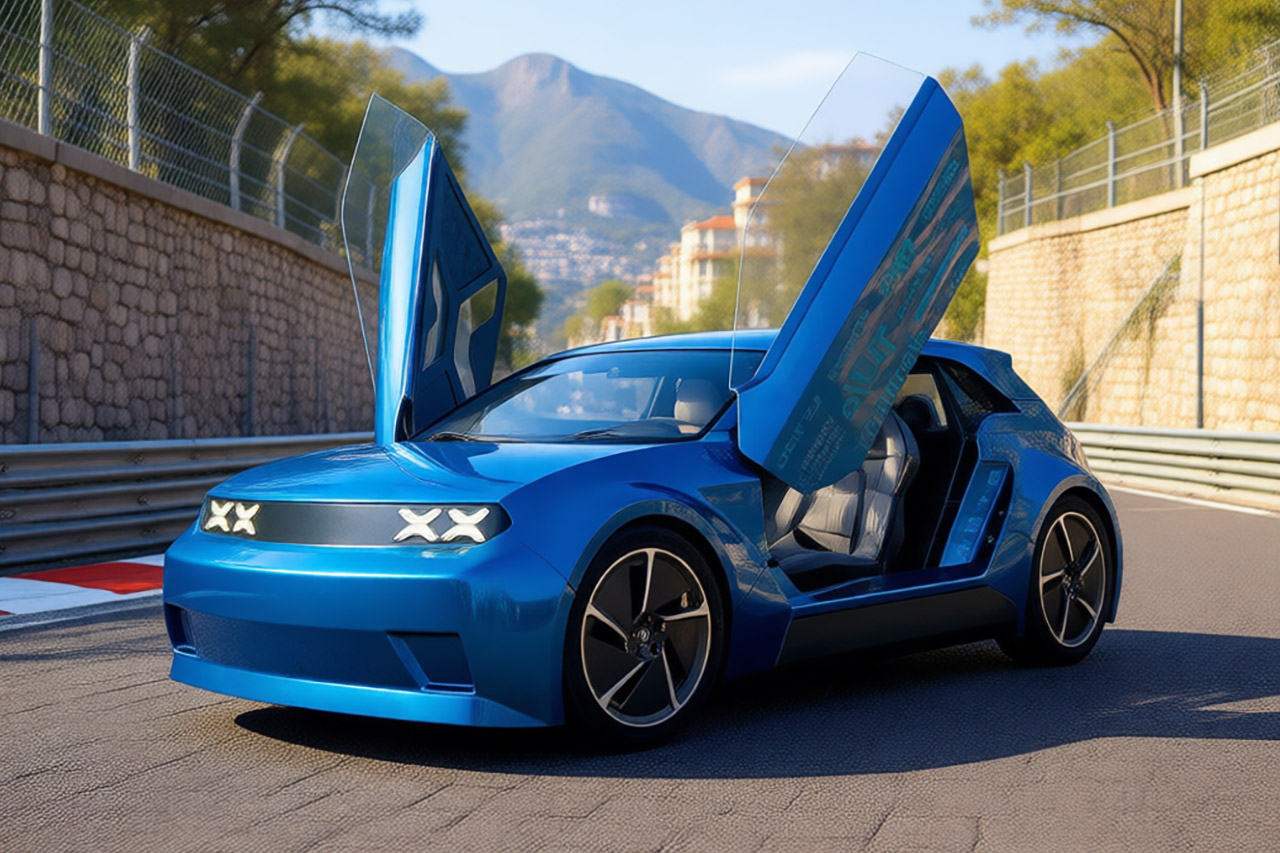
A group of college students in the Netherlands recently debuted a compact electric vehicle called ARIA, which stands for Anyone Repairs It Anywhere. Over the course of a year or so, this inventive group of engineers from Eindhoven University of Technology and a few friends from neighboring schools built a prototype that allows drivers to simply change out parts, eliminating the need to call a mechanic.
Just last month, they showcased ARIA at a local museum; it’s a true eye-catcher, with doors that swing open upwards like gull wings and a vivid blue paint job that catches the light just right. The project’s underlying message is a direct response to the unfortunate reality of discarded EVs, all those allegedly environmentally friendly machines that end up in scrap yards far too soon.
Sale

LEGO Technic Ferrari FXX K Toy Car – Building Toy for Girls & Boys, Ages 10+ – Cool Birthday Gift for…
- LEGO FERRARI MODEL CAR KIT – Builders ages 10+ can create the legendary Technic Ferrari FXX K with authentic details and working mechanical features
- AUTHENTIC RACE CAR DETAILS – This supercar building set features working butterfly doors, opening hood, and an engine cover that reveals the…
- CAR MODEL KIT – Young engineers explore real automotive concepts with this educational learning toy as they build the working differential and watch…
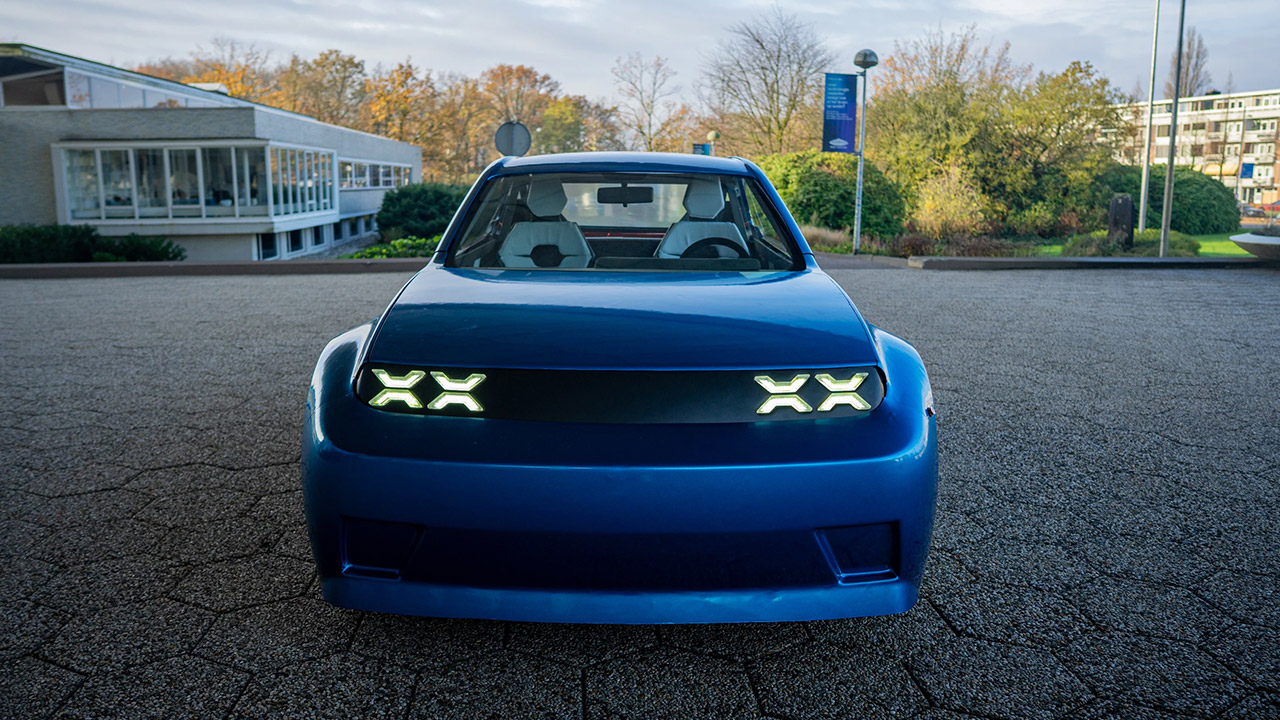
Twenty students dedicated their hearts and souls into this ARIA project, essentially taking over a chaotic workshop and making it into a moving work of art over the course of numerous late evenings and weekends. This is their team’s eighth vehicle, and each one represents a new approach to sustainable driving. But with ARIA, they’re taking a slightly different approach, focusing fully on having the vehicle last, and last, and last – in fact, they envision this as a city runabout that will be running strong decades, not just years, from now. How? By making every single element accessible and replaceable, such that when one part goes bad, you just pop it out and swap in a new one.
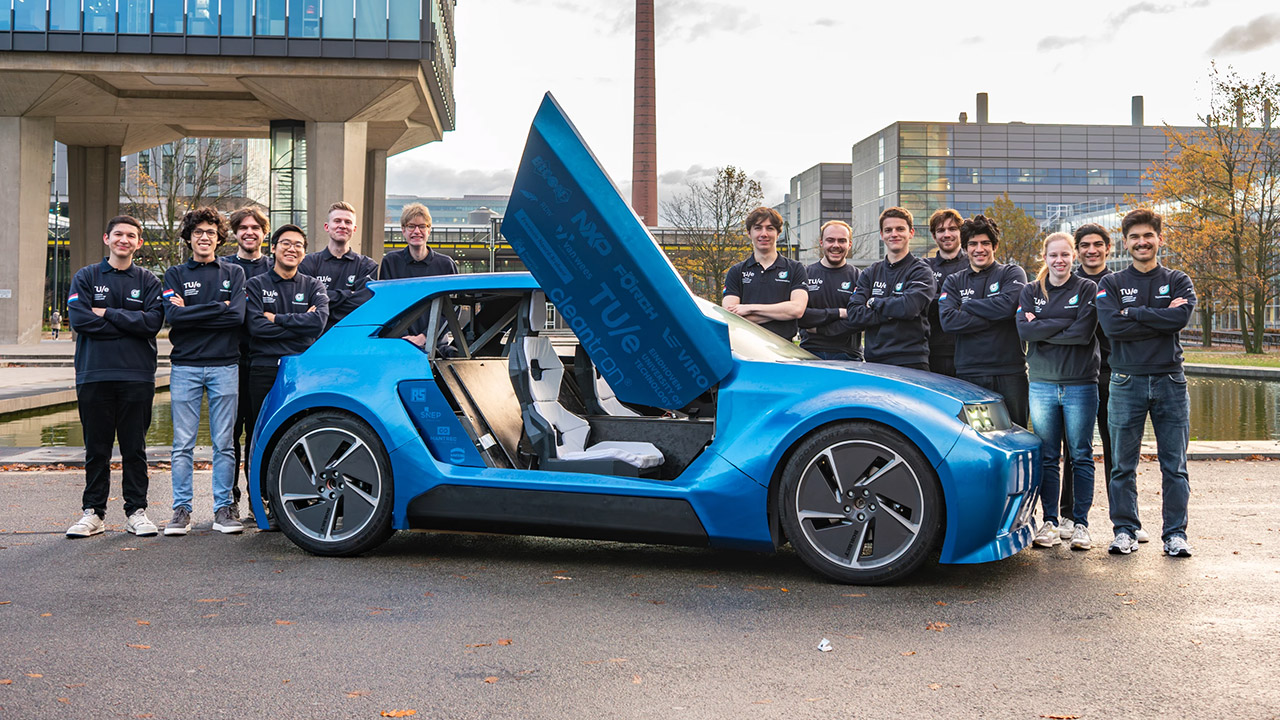
ARIA is modular, much like a network of veins beneath a leaf’s surface. The body panels can be installed and removed in minutes, allowing you to repair a damaged fender or remove a scuff without having to disassemble the entire exterior. Behind those panels are the electronics and cables, which are just as easily removed as the panels themselves. Inside, the dashboard has a very basic digital display that only shows speed and status, as you’d expect in a cheap car, surrounded by small trays for bits and bobs and places to rest your drink. Nothing feels permanently nailed down, since the students who created ARIA transformed everyday problems, such as attempting to find odd-sized screws or waiting weeks for a new part, into design features. ARIA employs conventional parts, so if the headlight fails or the seat cushion wears out, you may simply replace it with a basic kit. A built-in toolbox sits beneath the seat, fully equipped with the necessities and ready for the next tweak.
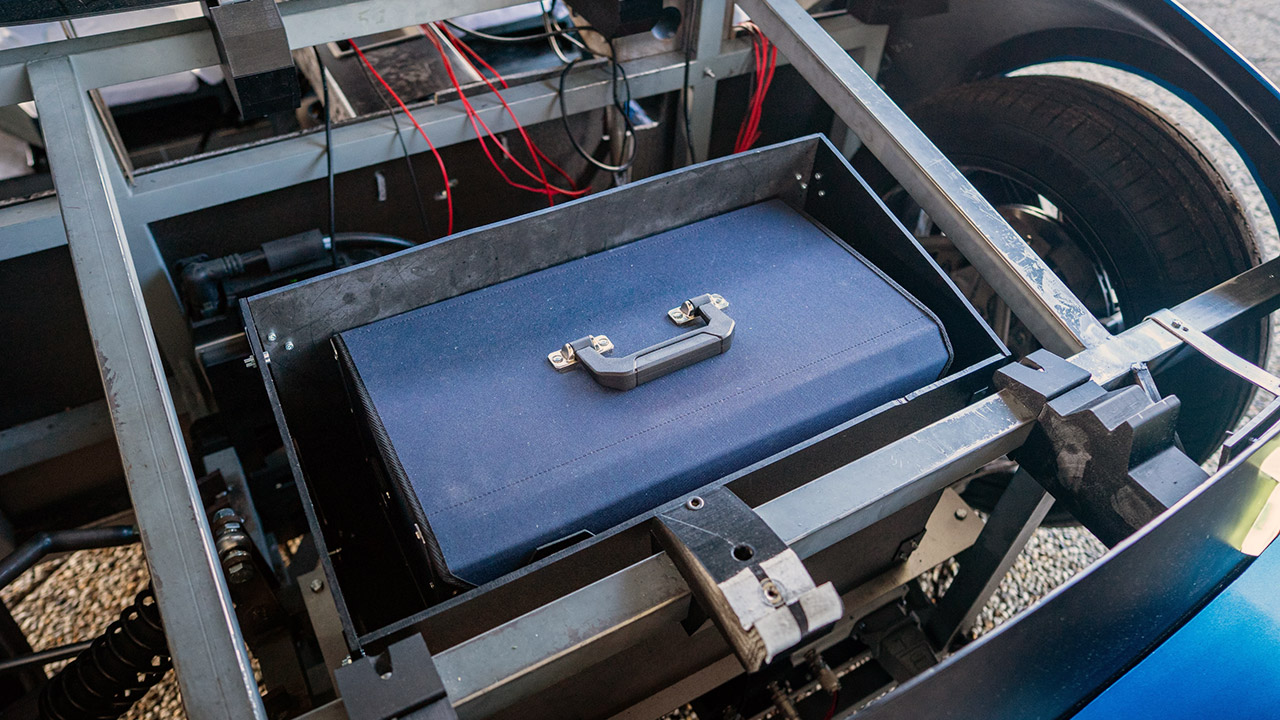
Power comes from six small, interchangeable battery modules, each of which is light enough to lift with one arm. They weigh twelve kilograms each and slide out of holes along the sides, eliminating the need for a jack or pit. They have a total of roughly thirteen kilowatt-hours, which is enough to bring you about two hundred twenty kilometers on a full charge, or one hundred thirty-seven miles for those who are still using archaic units. The top speed is limited to 90 mph, which is ideal for zipping through city streets but not for blasting off into the sunset. The students chose this setup to avoid the horror of huge battery packs, which are common in EVs. When one module wears down after years of operation, it doesn’t bring the rest down with it; simply replace it with a new one, and the car continues to function.
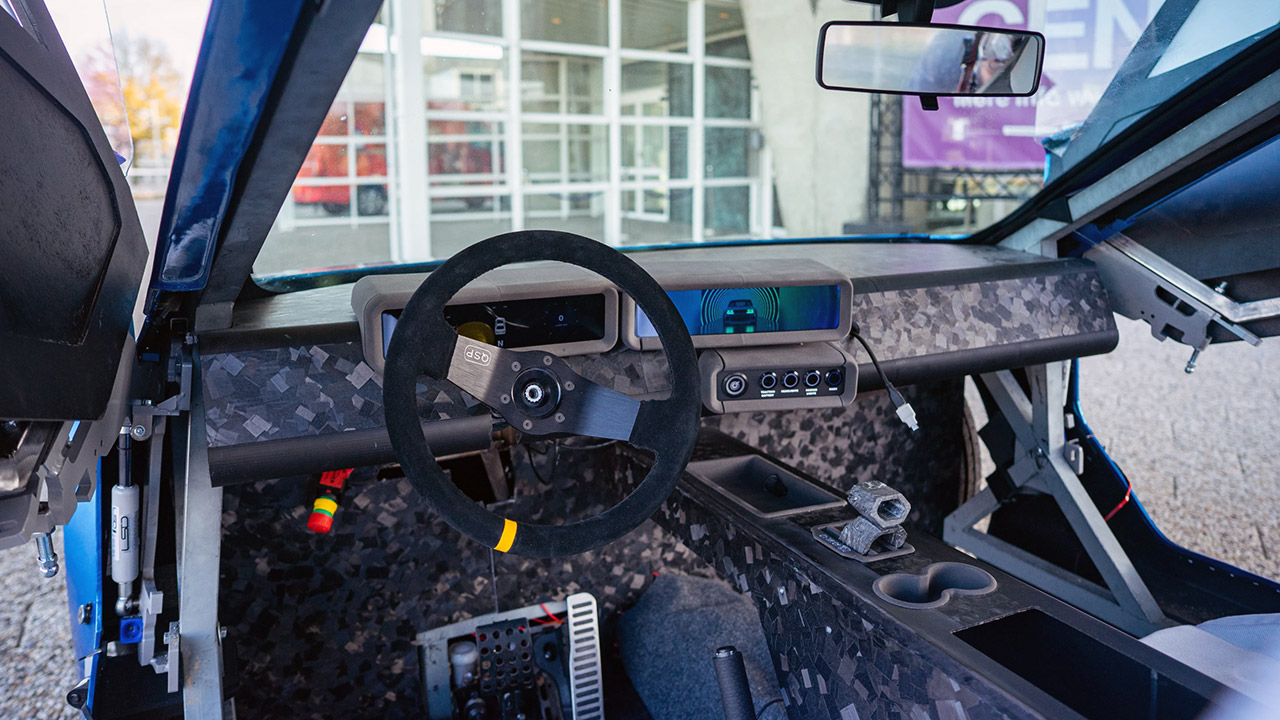
The app that ties everything basically connects to the dashboard via a simple link. You can use it to scan for faults, and it will display plain English directions such as ‘loosen this bolt’, ‘raise that panel’, and ‘test the fit’. Want to repair a faulty accelerator pedal? The software will guide you through it, replete with little illustrations and torque measurements. The students tried these instructions on friends and family before tweaking them until they were simple enough for anyone to follow.
[Source]
ARIA is a Student-Built Modular EV That Begs to Be Fixed
#ARIA #StudentBuilt #Modular #Begs #Fixed