Futuristic Haptic Display Adds Real Physical Texture to Let You Feel 3D Graphics
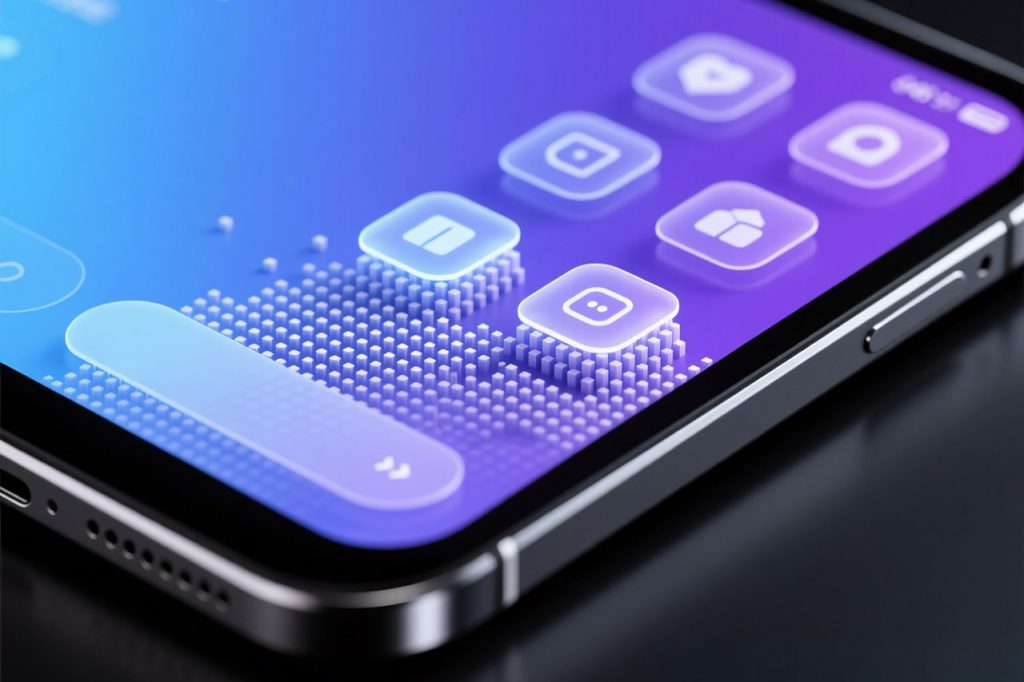
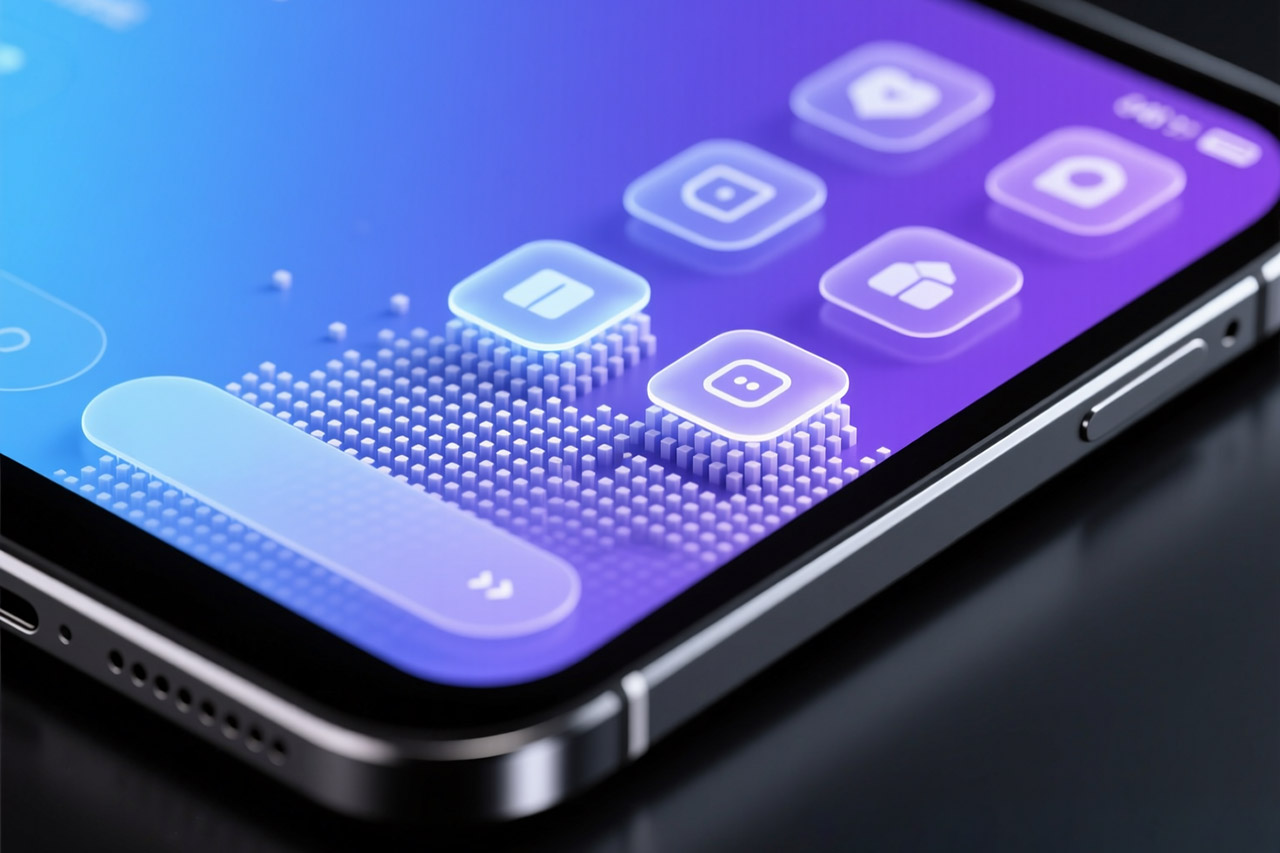
Researchers at the University of California, Santa Barbara, are developing a display that brings a digital image to life by giving it a tactile sense. Users can see visuals and run their fingers across the raised portions that correspond to what they see on the screen to obtain a true sense of the image. This simple trick, known as OptoPixels, transforms a flat screen into something that feels more like a three-dimensional object, all due to light.
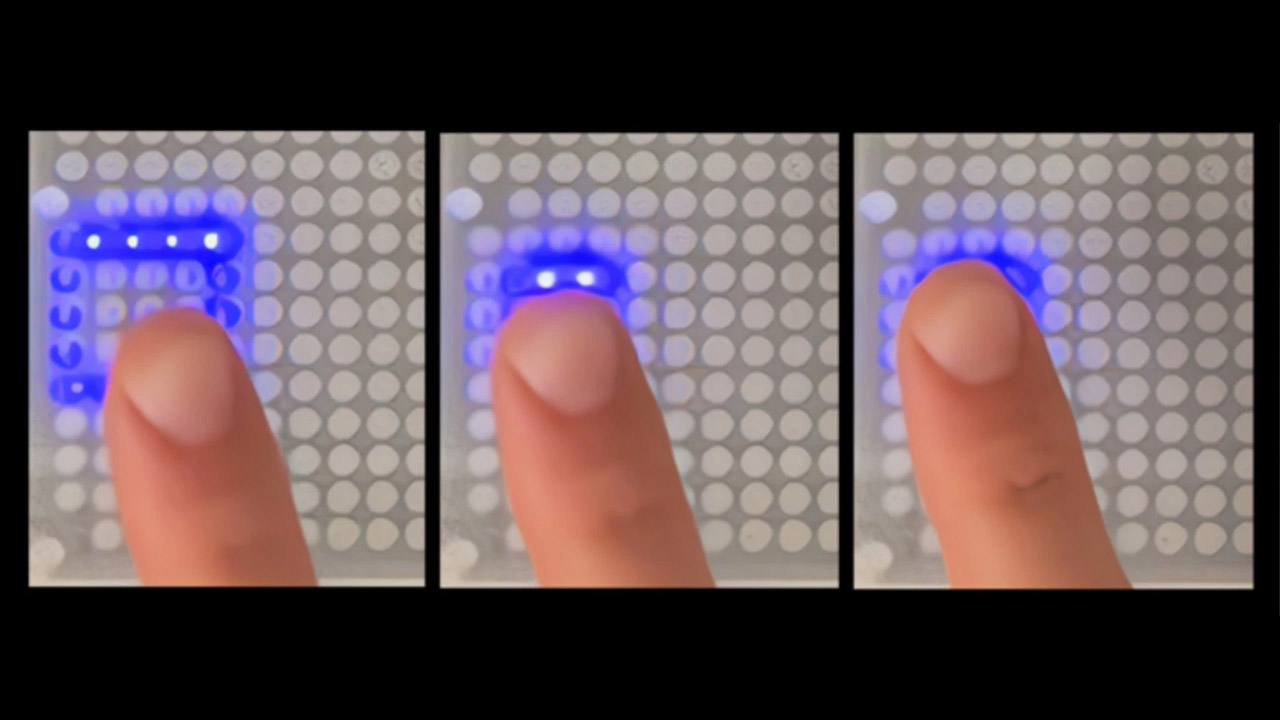
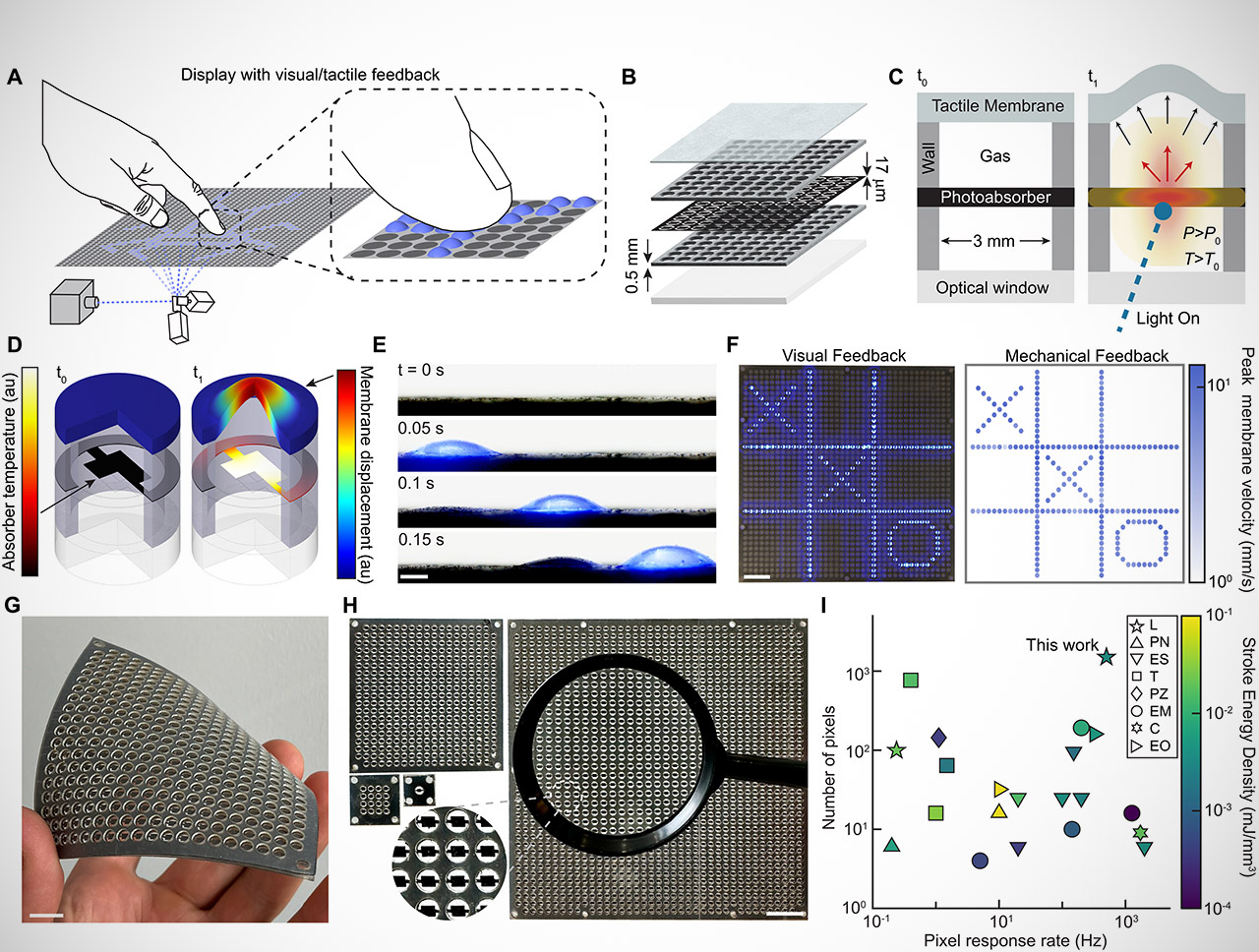
Each tiny portion of the screen, known as a pixel, can function independently. They’re about a millimeter across, and each one contains a small air pocket covered in a thin graphite layer. When a concentrated laser beam hits a pixel, it heats up and expands the air inside, pushing the display’s surface upward to generate a tiny bump around a millimeter high.
Sale
KYY Portable Monitor 15.6inch 1080P FHD USB-C, HDMI Computer Display HDR IPS Gaming Monitor w/Premium…
- [ FHD 1080P PORTABLE MONITOR ]: KYY using a 15.6”(8.8″x14.2″) advanced IPS screen with 178° wide viewing angle, Delivers 1920*1080 breathtaking…
- [ WIDE COMPATIBILITY ]: KYY portable monitor for laptop equipped with 2 Full Function Type-C ports and Mini-HDMI port, easy access to your favorite…
- [ ULTRA-SLIM PORTABLE DISPLAY ]: KYY USB C portable monitor features a 0.3inch ultra-slim profile(1.7lb), it is easy to slides into your bag, allows…
A laser that has been scanning over the screen in a flash moves quickly enough to keep up with the activity. There’s no need for any wiring or electronics concealed beneath the surface to make it all work; the beam that generates the image is also the one that powers the bumps. The response time is rapid, ranging between 2 and 100 milliseconds. It’s rapid enough to give you the impression of movement rather than static lumps. According to the experiments, people can easily detect individual bumps using only their fingertips. They can easily generate moving lines as well as shapes, and have even built a completely functional prototype using 1,500 of these programmable pixels.
Max Linnander, a PhD student in mechanical engineering, is essentially driving this research forward. He had a flair for getting things off the ground in collaboration with his advisor, Professor Yon Visell. Prof Visell was the one who initially came up with the notion of using light to create a touch interface back in 2021, but this would be a slow burn because it took them a time to iron out the first ideas and get in some trial runs. Linnander didn’t make the breakthrough until late 2022, when he got one of these programmable pixels to work with just a rudimentary laser and a finger on top. From that point forward, Visell could feel the distinct pulses of the laser turning on and off, and it was as if a lighting went off in his head: they were onto something with this technology.
If OptoPixels takes off as expected, it has the potential to change the way we use a wide range of gadgets. Car dashboards that can pop up temporary controls at the drop of a hat, e-books that allow you to feel the pages turning, and maps that change as you move are all possibilities. It also has some extremely interesting applications for homes and hospitals, transforming walls into interactive panels that come to life when touched.
[Source]
Futuristic Haptic Display Adds Real Physical Texture to Let You Feel 3D Graphics
#Futuristic #Haptic #Display #Adds #Real #Physical #Texture #Feel #Graphics