NASA’s James Webb Space Telescope Discovers Lemon-Shaped World Around a Dead Star
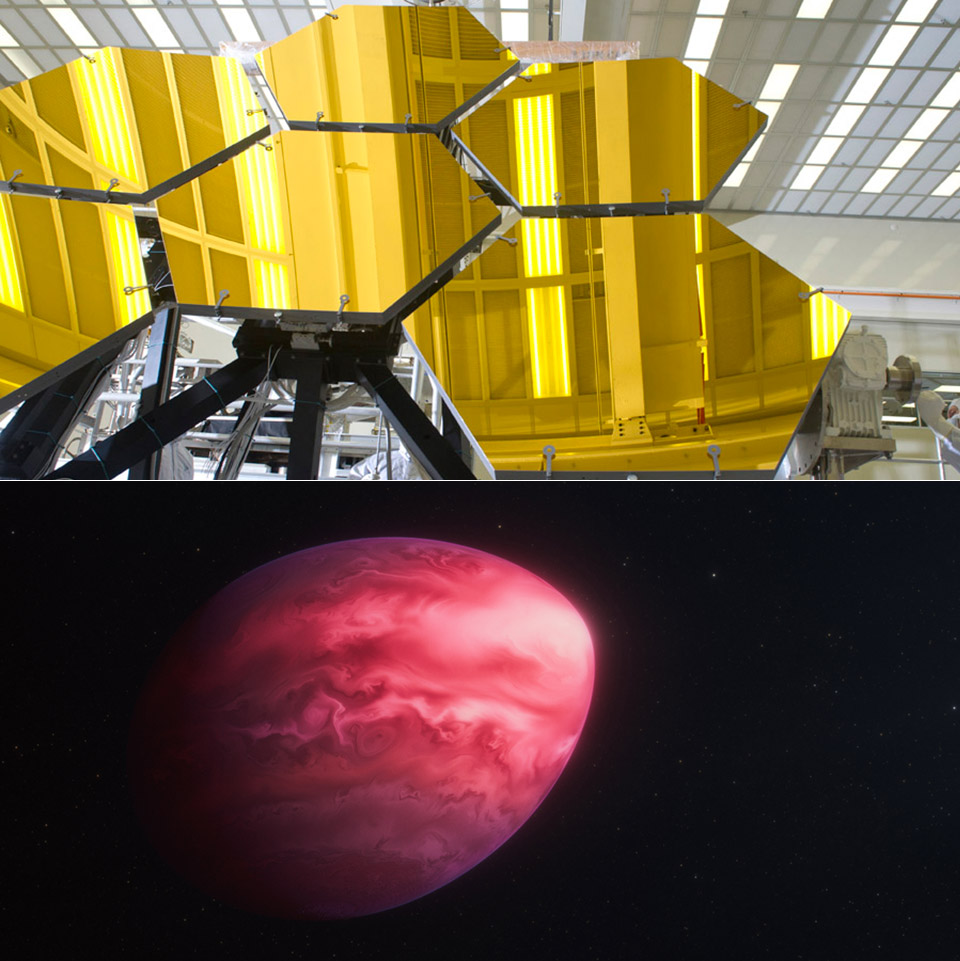
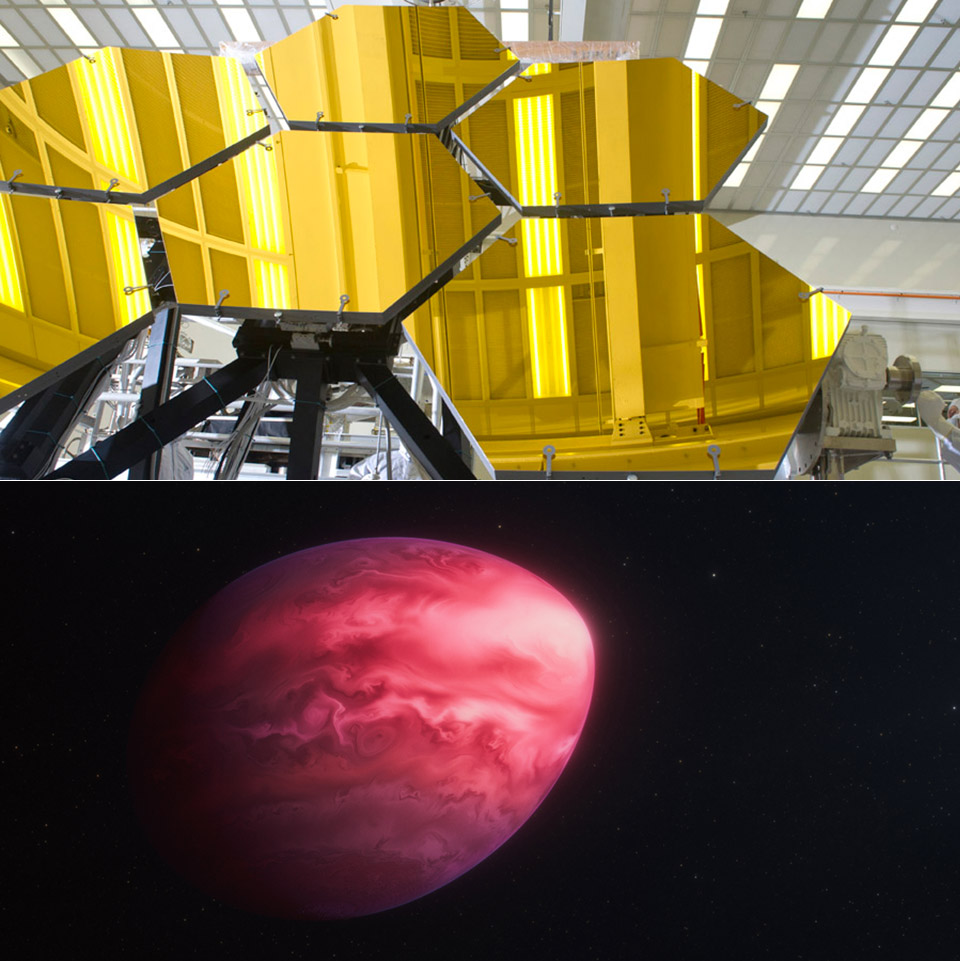
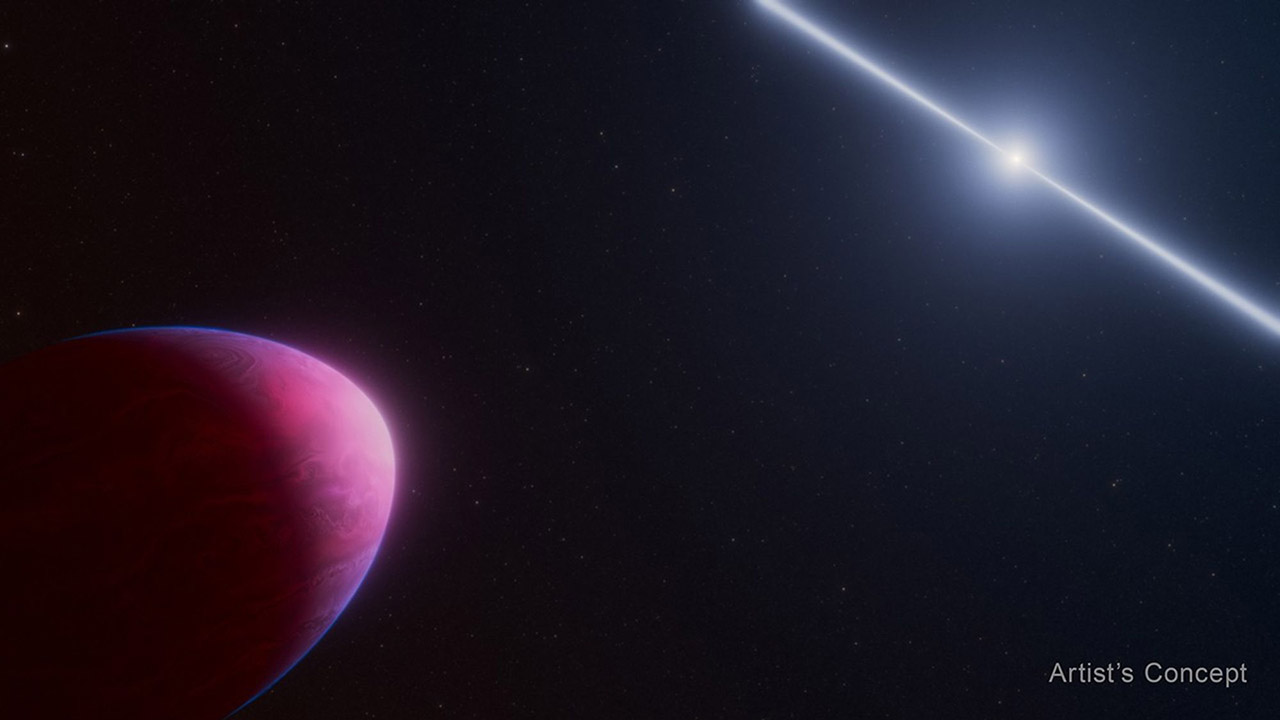
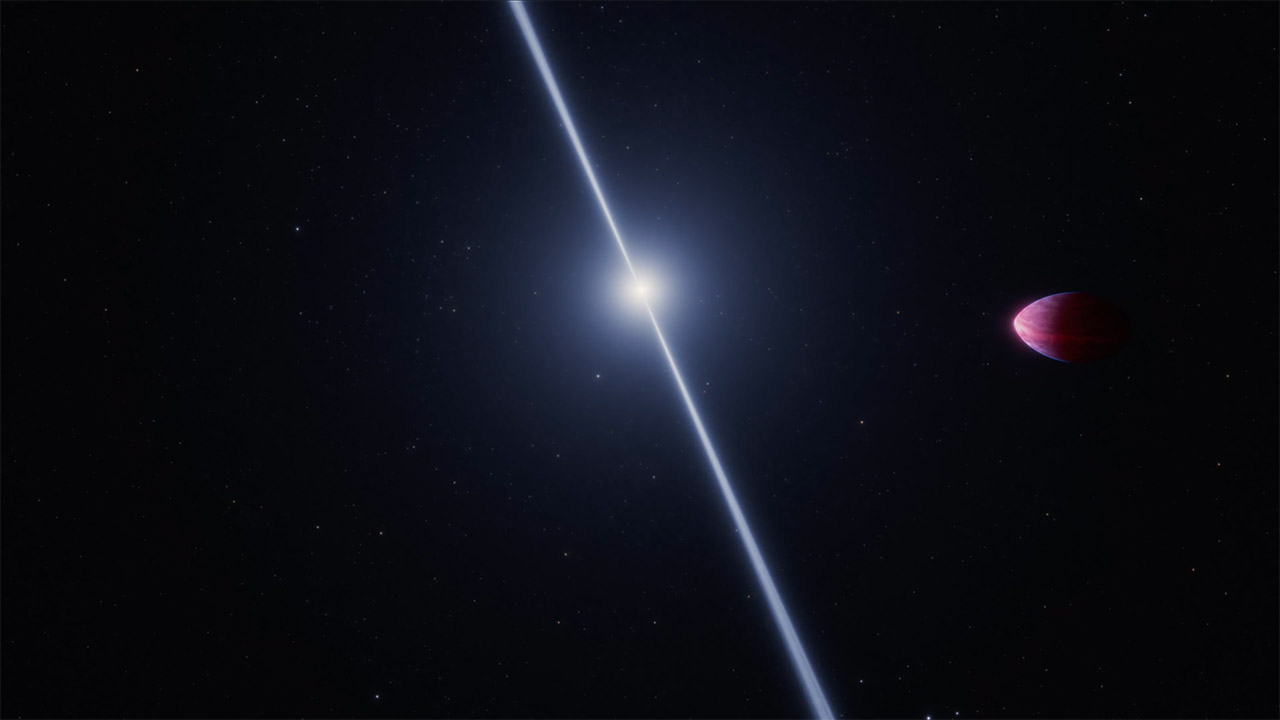
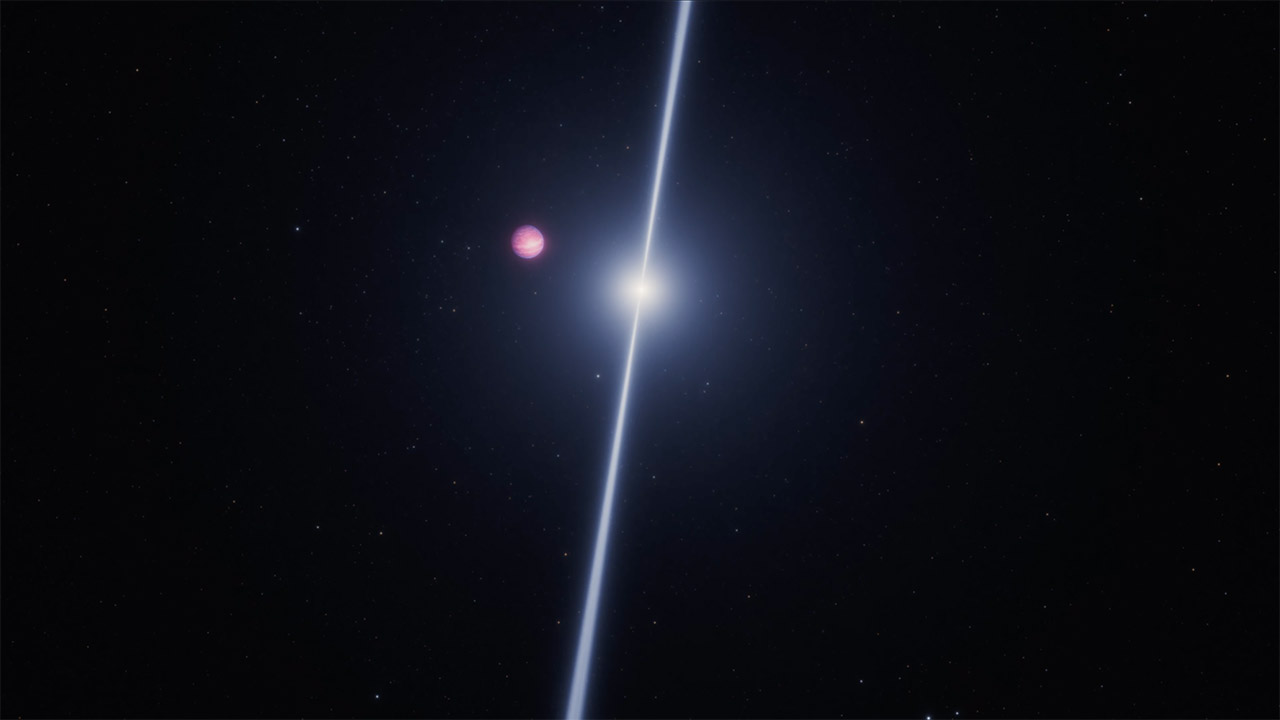
NASA’s James Webb Space Telescope has discovered a planet that is unlike anything we’ve ever seen, far beyond our solar system. They named it PSR J2322-2650b, and it has some fairly weird features for where it is. This planet is orbiting a pulsar, which is essentially the spinning remnant of a big star that went supernova. According to the scientists, its shape resembles a lemon, although one that has been stretched out by its host’s gravitational pull.
This planet completes a full orbit in just 7.8 hours and is only 1 million miles away from the pulsar that is causing it to be squeezed by gravity. As a result, the planet is being pounded by severe tides, pulling one side out while leaving the other bulging slightly less. It causes the globe to become elongated and pointed at one end, like a lemon.
PSR J2322-2650b is a true whopper, as massive as Jupiter, and, believe it or not, it is a rare black widow system. In these systems, the pulsar emits such high quantities of strong radiation that anything within its gravitational reach is gradually destroyed. But this one has survived as a full-fledged planet, just below the mass threshold where things are classified as brown dwarfs rather than planets.
The planet’s atmosphere was one of the fascinating observations made by the Webb telescope. It is mostly composed of helium combined with massive amounts of carbon. You have large molecules like C2 and C3 floating about in there, the type of pure carbon that you don’t see very often in any planetary atmosphere.
Most gas giants nowadays focus on displaying water vapor, methane, carbon dioxide, ammonia, and the occasional oxygen and nitrogen compound. But this planet is defying all of those trends, with nearly none of the regular things in the air. What it does have are particles that form clouds, which are essentially the same as soot.
The actual pressure is now at the bottom of the planet. You’ve got crushing pressure and heat, to the point where the carbon solidifies. And the planet’s temperature will vary greatly at different depths, ranging from roughly 1,200 degrees during the coolest nights to 3,700 degrees during the hottest days.
Why did the scientists finally receive an accurate assessment of the planet’s atmosphere? It’s because the pulsar it orbits emits the majority of its radiation in the form of gamma rays and high-energy particles, which the Webb telescope cannot see. And normally, when you have a regular old star host, the signal from the planet is so overwhelming that you can barely pick it out. However, with this technique, the scientists were able to obtain a clear spectrum all the way throughout the planet’s orbit.
Planets generally develop from basic hydrogen and helium. The main difference is that this one has extremely high levels of carbon, considerably higher than any other we’ve observed, and very little of the typical elements such as oxygen and nitrogen. One possibility is that it was formed in a disk around a newborn star, however this does not explain the type of combination it contains. The alternative possibility is that it came from a larger companion that was stripped down – but nuclear activities in the star simply cannot produce the types of pure carbon remnants they are seeing.
With these discoveries, PSR J2322-2650b is the only known gas giant to be orbiting a pulsar. There are about 5,000 exoplanets known right now, ranging from hot Jupiters to mini-Neptunes, but none have the same carbon-dominated composition as this one.
[Source]
NASA’s James Webb Space Telescope Discovers Lemon-Shaped World Around a Dead Star
#NASAs #James #Webb #Space #Telescope #Discovers #LemonShaped #World #Dead #Star