David Rule’s Roadside Camper Transformation Goes from Empty Trailer Shell to High-Tech Rolling Home
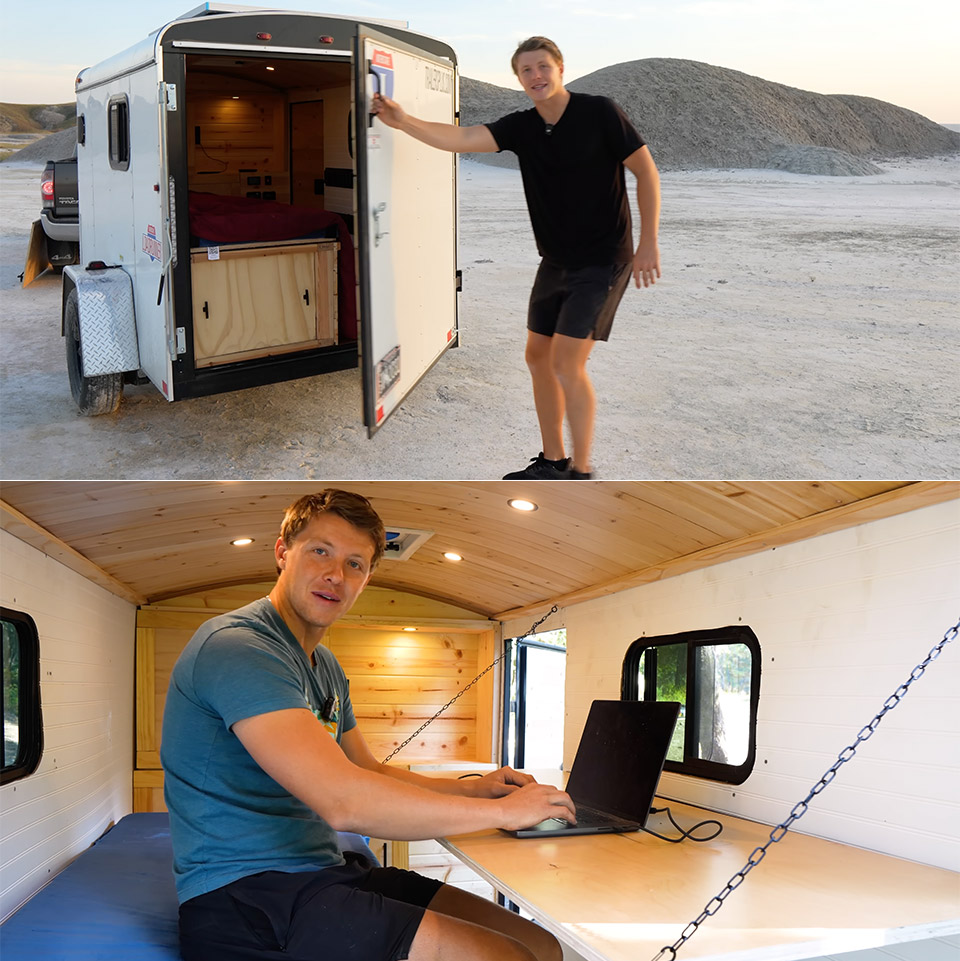

David Rule began his camper modification project with a simple 8-foot Interstate trailer with a side door and rear hatch. He spent $3,500 for it and then set out to transform a stark metal box into a comfy home while on a road trip across the Northwest United States.
He ended up spending approximately $6,500 in all, which included all of the materials, electrical components, and other odds and ends. By the end of it all, the finished camper weighed a respectable 2,500 pounds and included all of the off-grid goods any camper could desire, as well as a variety of thoughtful details.
Sale

Anker SOLIX C1000 Gen 2 Portable Power Station, 2,000W (Peak 3,000W) Solar Generator, Full Charge in 49…
- 49 Min UltraFast Recharging: With upgraded HyperFlash tech, fully recharge at 1,600W—for outage prepping, camping trips, or tailgating events….
- 2,000W Output via 10 Ports: Delivers 2,000W (3,000W peak) and 1,024Wh capacity. Power up to 10 devices—ideal for emergency backup, remote work…
- Compact and Portable: Easily carry, store, and move from room to room, your RV, or even on beach and park outings. C1000 Gen 2 is 14% smaller and 11%…
Wyoming was the starting point for Rule, who tracked down some salvage RV windows and fitted them into the trailer walls by following the outline, cutting out holes, and beefing up the edges. He replaced standard latches with locking handles and applied a bead of silicone sealant to the seams to keep water out. He only able to complete the full sealing after removing the inner panels to make place for the new windows and installing the insulation.
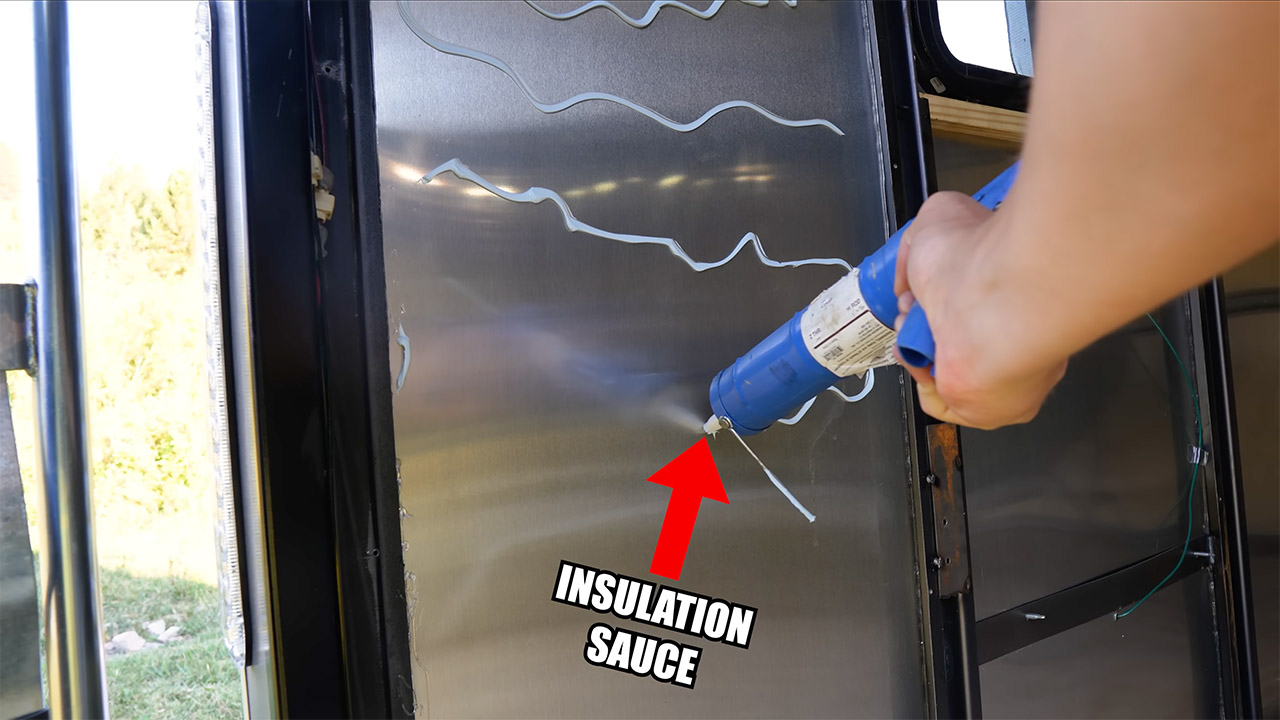
As the next stop was Idaho, a home improvement store was the place to acquire some essential supplies: foam insulation adhesive, 1 inch foam panels, laminate flooring, some white wall paneling, and tongue and groove cedar boards. To get a clean look, he laid down the flooring first, followed by the white paneling. The cedar planks went on the doors and will eventually cover the ceiling, while the windows were also sealed off.
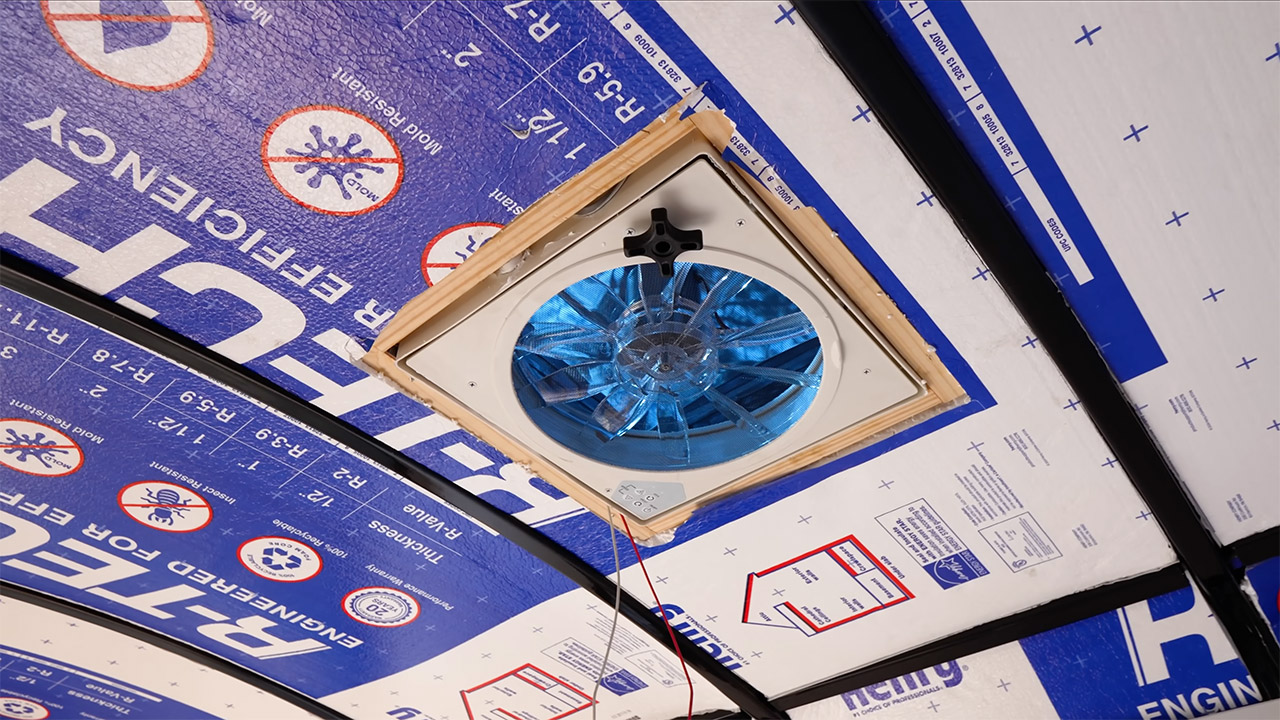
Next up was Oregon, where Rule focused on the roof, cutting a hole for a ventilation fan and building a frame to hang it from, then applying sealant to keep it from leaking. He also installed two 100-watt solar panels, but the small roof necessitated some creative mounting: he utilized Z-brackets with rubber washers and reinforced them with internal wood blocks to increase strength without poking holes in the outside. Finally, he finished the ceiling with extra cedar boards and cutouts for lighting.
Washington is where the electrical system first went online. Rule created a cabinet out of pine planks in the front of the camper, complete with compartments for storing items and containing all of the electrical components. He dug holes for outlets, meticulously routed the wiring, and installed doors. A battery is connected to a solar charge controller, a 2,000 watt inverter, a fuse box, and various switches. All of this enabled him to have power for his lights and devices without needing to plug them in.
The camper’s living and working quarters were then transported to Montana. A pine bed frame with drawers underneath provided him with plenty storage space. On the opposite side, he installed a fold-down desk made of oak plywood that allowed him to have a work space that could hold one or two persons, owing to E-tracks along the wall that allowed him to alter the layout to suit.

In the South Dakota badlands, a few comforts made their way onto the project. A small Vevor diesel heater was hidden in near the side entrance, complete with its own fuel pump and reservoir to store the juice. Some holes were made for air intake and exhaust, and a cabinet vent was installed to maintain proper airflow. The heater controller was able to squeeze inside a storage box on the trailer tongue. Rule simply slapped a TV on the rear door and ran some cabling beneath the floor to connect it to a laptop, allowing you to view whatever you wanted from inside or outside.
Nebraska passed without any modifications, but when Rule arrived outside Boulder, Colorado, he was eager to complete the exterior style. Instead of spending a lot of money on a sophisticated wrap, he just used bespoke decals. He taped off the areas he didn’t want to paint, projected the images onto the side of the trailer at night, marked them with a marker, cut out stencils, and painted them with the good stuff, a couple of coats of automotive paint for a sharp finish.
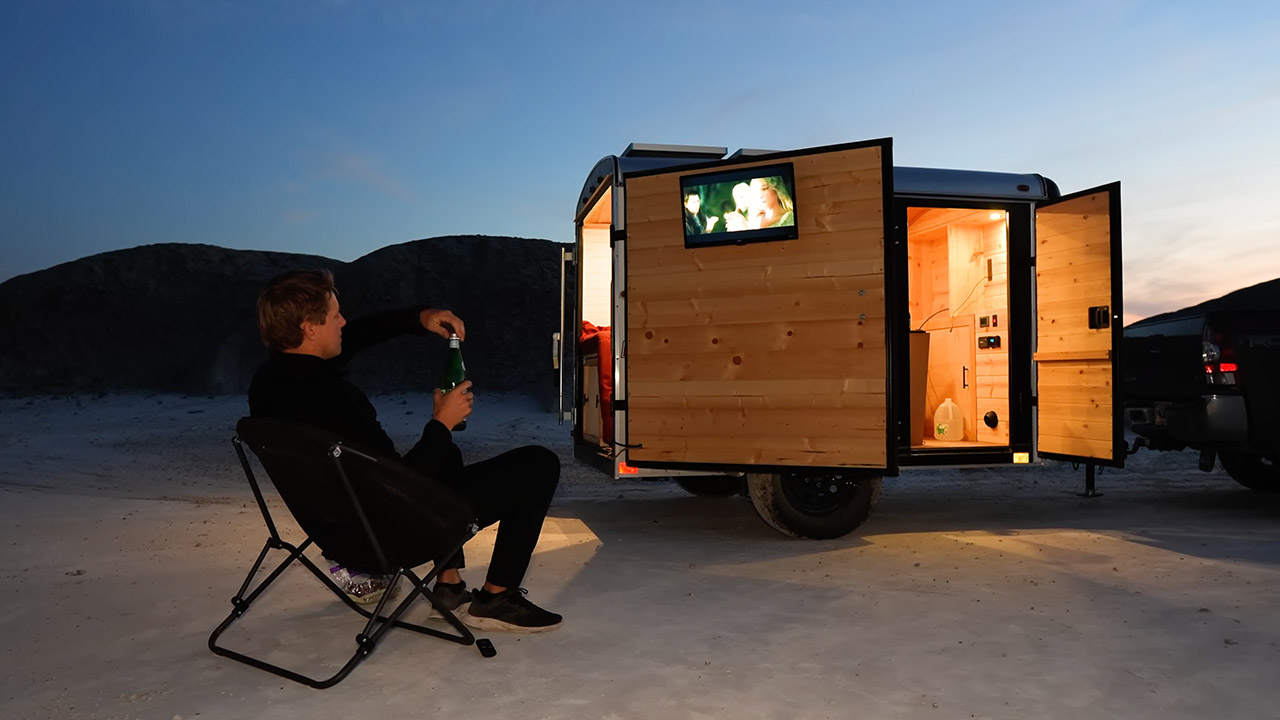
For the most part, Rule used traditional tools, cutting, drilling, screwing, and sealing as needed throughout the operation. And with problems like the sloping roof and the incredibly thin material on the solar panels, he had to get creative and install some inside supports to keep everything from falling apart. And to keep the cold out, he employed foam insulation inside, as well as warm cedar elements on the white walls.
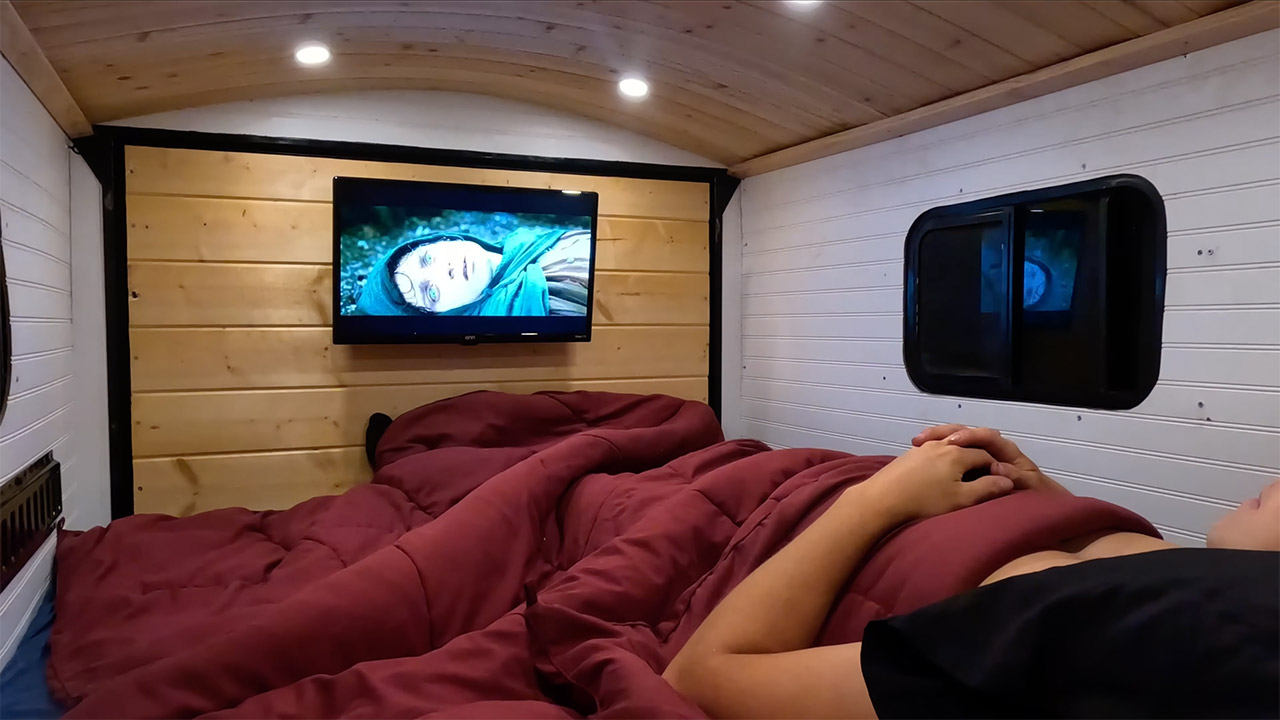
The solar panels on top of the trailer power the batteries and inverter, keeping the lights, fan, and small appliances operational even while you’re off the grid. The diesel heater in the back keeps everything warm and toasty, and the TV in the back of the trailer simply converts the entire open door into an outdoor movie screen whenever you want. The little area is ideal for working or simply crashing for the night, thanks to its versatile desk layout and ample storage.
[Source]
David Rule’s Roadside Camper Transformation Goes from Empty Trailer Shell to High-Tech Rolling Home
#David #Rules #Roadside #Camper #Transformation #Empty #Trailer #Shell #HighTech #Rolling #Home