First Look at the Google x XREAL Project Aura Smartglasses
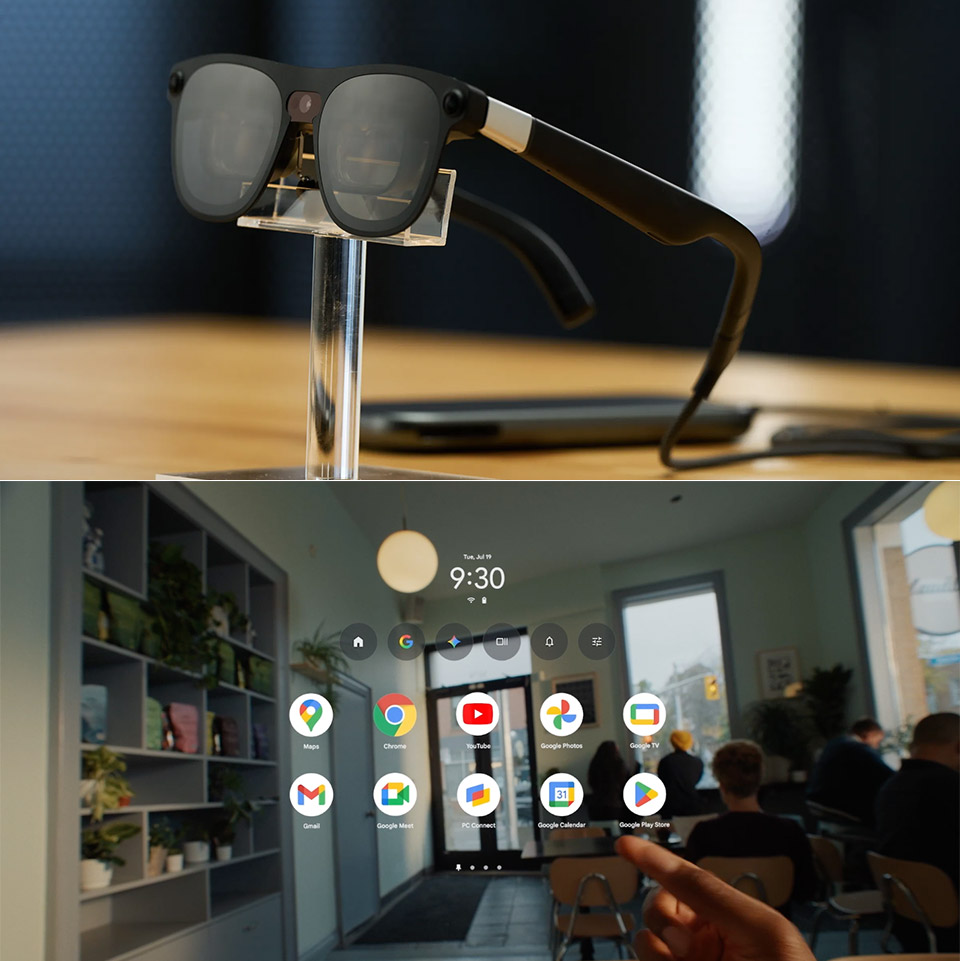
Google teamed up with XREAL to create Project Aura, a revolutionary pair of smartglasses. This device debuted earlier this year and signals a fundamental shift in Google’s Android XR platform, the company’s operating system designed from the ground up for use in glasses and headsets.
At first glance, Project Aura appears to be a typical pair of sunglasses. But beneath the tinted lenses, there are some truly fascinating technology. The frames have a reasonable thickness, but not so thick that you’d notice it; they weigh approximately 80 grams, which is a little heavy for sunglasses but far lighter than some other AR headsets on the market.

Ray-Ban Meta (Gen 1), Wayfarer, Shiny Black | Smart AI Glasses for Men, Women — 12 MP Ultra-Wide…
- #1 SELLING AI GLASSES – Move effortlessly through life with Ray-Ban Meta glasses. Capture photos and videos, listen to music, make hands-free calls or…
- CAPTURE WHAT YOU SEE AND HEAR HANDS-FREE – Capture exactly what you see and hear with an ultra-wide 12 MP camera and a five-mic system. Livestream it…
- LISTEN WITH OPEN-EAR AUDIO — Listen to music and more with discreet open-ear speakers that deliver rich, quality audio without blocking…
Inside those frames, you’ll find some very impressive technology. The Sony Micro-OLED panels in front of each eye can display full-color visuals. So, when you wear the item, the virtual pieces you wish to see appear right in front of your eyes, superimposed onto the real environment thanks to the brilliant optics, which are the same design that keeps the lenses small.
Sound is handled by a pair of open-ear speakers in the frame arms. These provide the audio you require without filtering out any background noise, allowing you to hear what you need while remaining aware of what is going on around you. There are also two microphones for voice communications, such as orders and calls. Under the hood, a Snapdragon chip does all of the heavy work, running a modified version of Android XR designed specifically for the glasses. Google also intends to offer up this platform to other manufacturers, so it serves as both a display for what developers can accomplish and, more crucially, a product that customers can really buy.
You control the device using a small touchpad on the right arm of the frame. It’s simple yet effective: swipe forward or back to scroll, tap to choose, and hold to go further. The system can interpret information in your surroundings, provide walking directions and arrows, and even provide some basic productivity tools. Google hasn’t showed off any of the fancy hand tracking or gesture control that some other AR headsets have, so I think it’s safe to say that for this version, at least, stick to the basics.
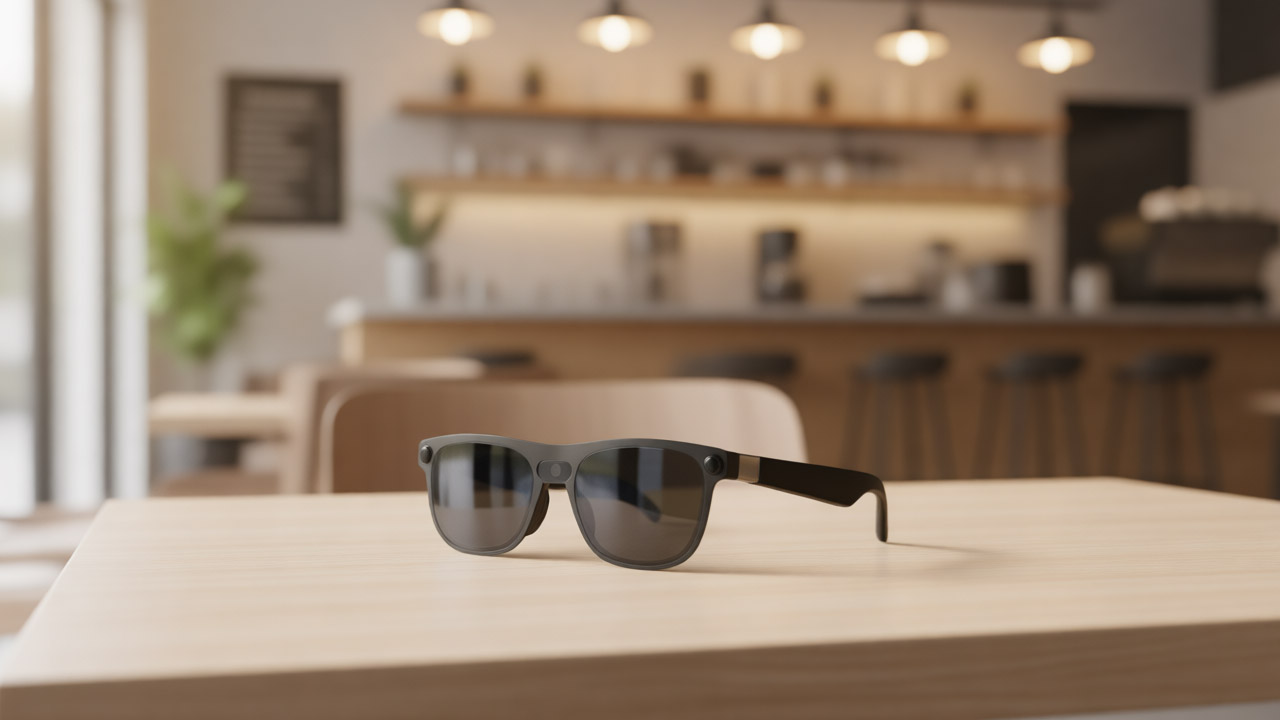
The battery life, however, remains a major question mark. XREAL’s current models can last a couple of hours when plugged into a smartphone, but Project Aura is still a mystery because it is a standalone device. Google refers to Project Aura as a reference design, which means that the final consumer version provided by Xreal may contain minor alterations. The glasses are expected to be released in 2026, pitting them against emerging competitors Meta, Apple, and smaller businesses like as Snap.
[Source]
First Look at the Google x XREAL Project Aura Smartglasses
#Google #XREAL #Project #Aura #Smartglasses