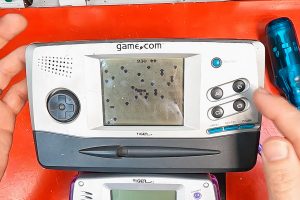
Tiger Electronics’ Game.com is the Handheld from 1997 That Nobody Really Remembers
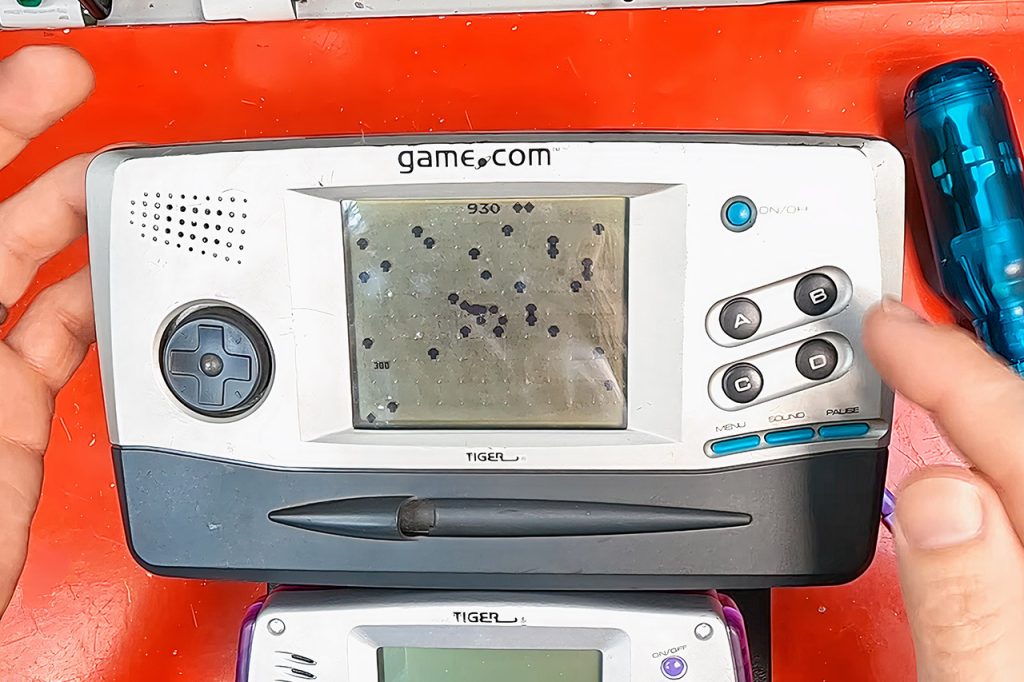

Back in the summer of 1997, you could walk into a Toys “R” Us with probably around $60 in your wallet and walk out with either a brand new Game Boy Pocket or this strange grey brick of plastic known as the Game.com. The Game Boy was, of course, the obvious choice for most children / teens. As for everyone else, most people had probably forgotten about Game.com within a year.
Tiger Electronics launched the Game.com in the fall of ’97 with a genuine enthusiasm that’s hard to fault. The term “Game.com” was intended to refer to a “game computer,” which was a handheld device capable of much more than simply playing cartridges. At the time, this was a big issue. The gadget came with a touchscreen, which you probably hadn’t seen outside of an ATM before. The 160 by 160 display was not particularly impressive, especially when compared to the Game Boy’s nice green glow. However, you could prod the screen with that small plastic stylus to choose menus, create art in the built-in art program, or scribble a brief note on the memo pad. That alone made you feel like you were seeing a peek of a future that was perhaps a little too far.
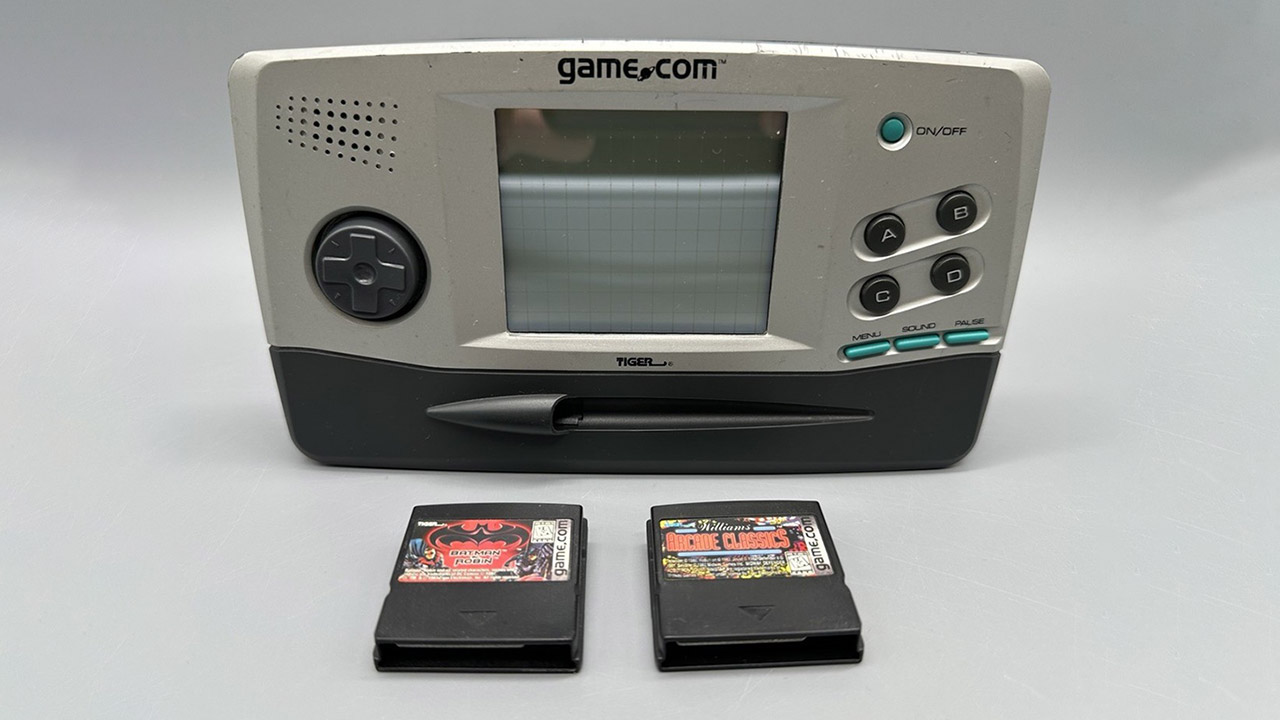
The actual hardware appeared to be quite ambitious on paper, even if it did get a little derailed. You had a 32-bit processor, 4-bit audio (limited to 16 volume levels), and the ability to execute downloaded content via a 14.4-kbps modem add-on. Yes, in 1997, there was a modem in a handheld. You could theoretically check sports scores, your horoscope, or get some basic weather information if you had enough patience and didn’t mind tying up your phone line for twenty minutes.
When it came to software support, however, the story was very different. The initial lineup of games mostly felt like it was just trying to cash in on existing franchises, with a Mortal Kombat port with everyone crammed onto one screen, a Lost World: Jurassic Park game that moved at about 1/100th the speed of actual paint drying, and a Resident Evil clone that had little to do with the original Resident Evil 2.
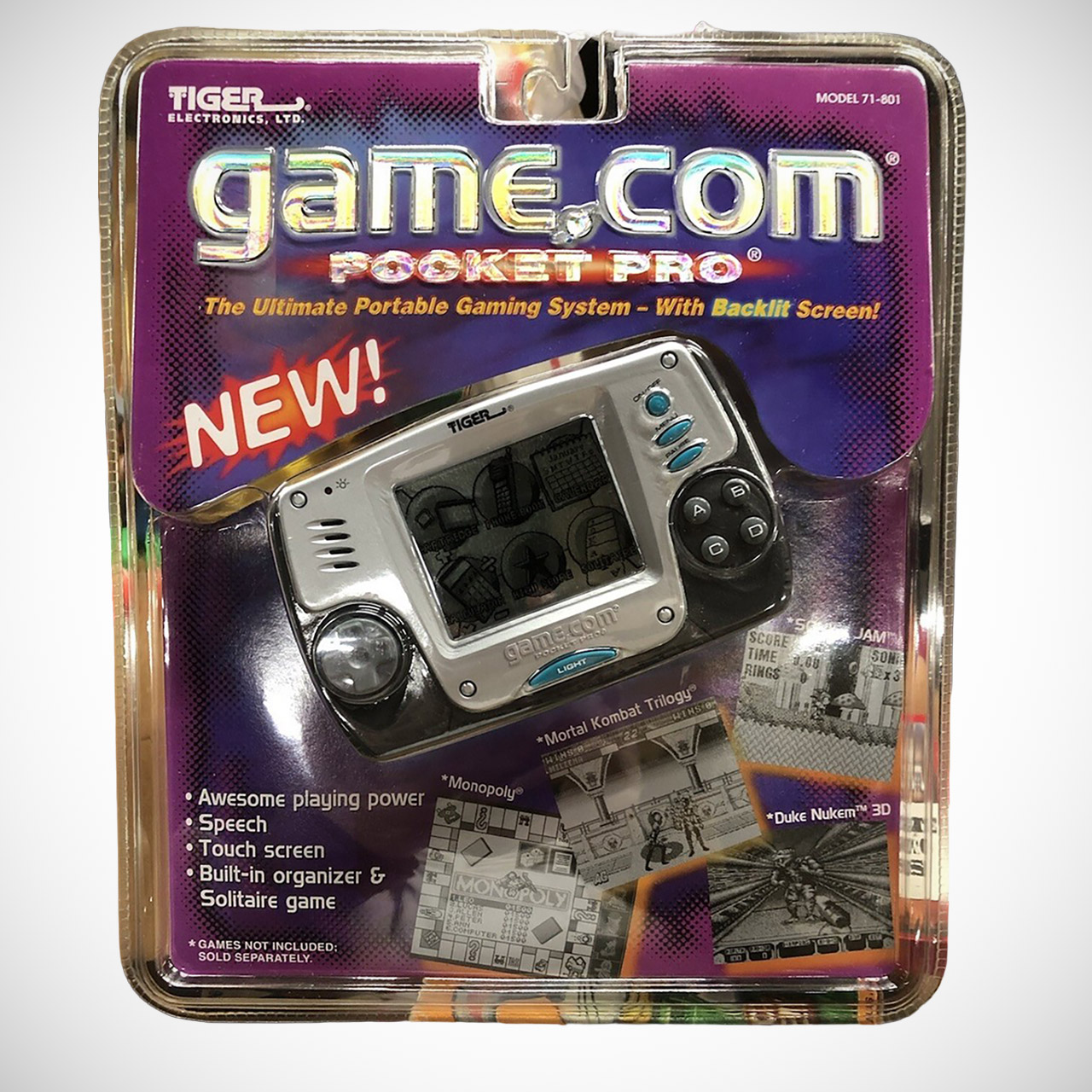
Tiger desperately wanted to maintain the momentum they’d gained with Game.com. In 1998, they released the Game.com Pocket Pro, a thinner, less expensive version of the original that removed a lot of the bloat. They dropped the modem connector and the built-in speaker in favor of AA batteries over those stupid powered packs that were prone to failure. They also removed a few ounces from the weight. The screen had the same size and resolution, but you’d barely notice because everything just felt so much more sensible.
Eventually, a small library formed, consisting of about twenty official cartridges and a few oddities such as a web browser cartridge that could ultimately load plain text pages if coupled with the modem. Get this: the browser cartridge also came with a small keyboard that could be plugged into the bottom. If you were the type of person who would bother, you could send an email from a handheld device by 1998.
Today, collectors are line up to get their hands on a Game.com because that’s exactly why so many people passed it up the first time around: it was trying to accomplish too many things at once. Touchscreen, stylus, modem, handwriting recognition, downloadable material, the works… all on a shoestring budget that left everything feeling, well, half-baked. Then there was the full color, backlit prototype that never made it to the stores, or the digital camera add-on that produced postage stamp-sized photos in 256 colors.
The handhelds sold so poorly that Tiger quietly pulled the plug in 2000. Cartridge count barely surpassed the teens. Whatever goods remained was sold at such little liquidation retailers for less than $20. By then, the Game Boy Color had sold a million units, the WonderSwan was about to be introduced in Japan, and the Neo Geo Pocket Color reminded everyone what a color handheld should look like.
Tiger Electronics’ Game.com is the Handheld from 1997 That Nobody Really Remembers
#Tiger #Electronics #Gamecom #Handheld #Remembers