Transaction speed revolution: How GraphQL architecture cuts financial response times by 20%
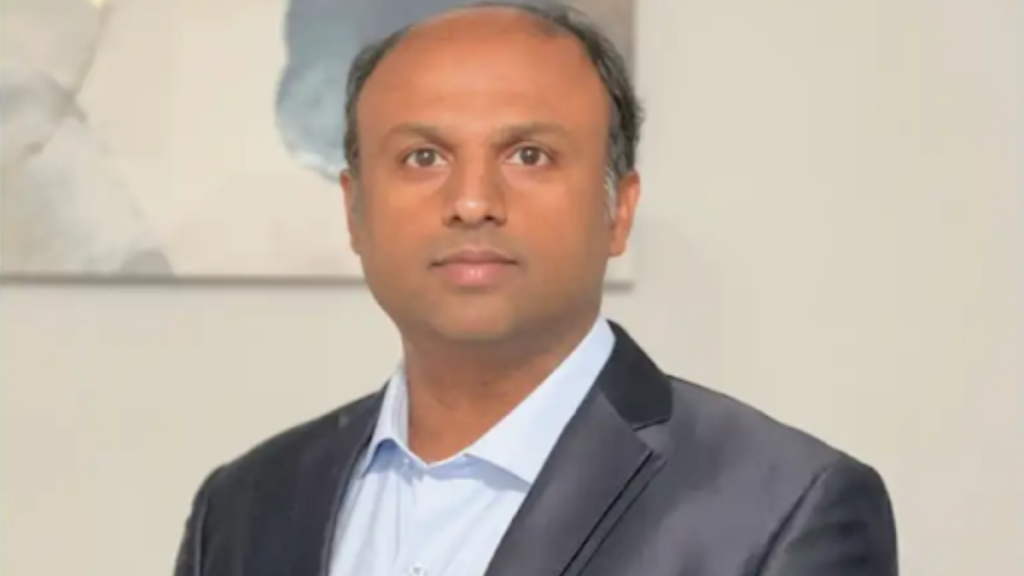
Photo courtesy of Kishore Hebbar.
Opinions expressed by Digital Journal contributors are their own.
Payment failures cost financial institutions millions annually. When customers attempt mobile transactions that take too long to process, they abandon the attempt entirely. The impact extends beyond frustrated users to lost revenue streams and damaged institutional reputations. Research from Baymard Institute shows that 70.22% of customers abandon transactions due to performance issues, with financial services bearing the highest abandonment rates.
Legacy REST API systems remain the primary culprit behind these delays. Digital platforms that manage high-volume transactions including payment processors and customer account services continue operating on infrastructure designed decades ago for simpler transaction volumes. These systems require multiple server requests to complete basic operations like balance inquiries or payment authorizations. Each additional API call introduces latency, creates potential failure points, and consumes resources that scale poorly under modern transaction loads.
The financial sector faces unique challenges that amplify these technical limitations. Regulatory compliance demands multiple verification steps for each transaction. Fraud detection systems must analyze user behaviour patterns in real time.Transaction integrity checks and eligibility engines must evaluate customer profiles instantly. Studies indicate that financial and travel industries experience abandonment rates approaching 80% when systems fail to deliver rapid responses to customer requests.
In mid-2024, while serving as a Senior Software Engineer at IBM, supporting large-scale financial services clients, Kishore Hebbar recognized systemic inefficiencies in payment authorization and fraud detection platforms. His experience with mission-critical financial systems revealed that traditional REST architectures fundamentally could not meet modern performance demands. Rather than accepting incremental improvements, he designed a comprehensive GraphQL-based solution that consolidated multiple API calls into unified, efficient queries.
Rebuilding payment infrastructure with unified data queries
He implemented a GraphQL architecture that eliminated redundant server communications plaguing existing payment systems. His solution allowed mobile applications to specify exactly which data elements they required in a single request rather than making separate calls for authentication, balance verification, transaction history, and fraud analysis. This consolidation addressed both over-fetching and under-fetching problems that had created unnecessary network overhead for years.
The technical implementation required custom resolvers capable of aggregating information from multiple backend services while maintaining security protocols essential for financial transactions. He developed schema-first designs that provided frontend developers with clear data access contracts while giving backend teams optimization flexibility. His GraphQL endpoints incorporated batch loading mechanisms and intelligent caching strategies that reduced database queries and improved overall system performance.
Results materialized immediately across all implementation areas. GraphQL reduced data payload sizes through precise query targeting, eliminated unnecessary network requests, and decreased response times by 20%. The new architecture proved particularly valuable in handling partial system failures. When individual services experienced problems, transactions could continue processing rather than failing, with users receiving clear status updates throughout the process.
“In financial transactions, every millisecond matters,” Kishore Hebbar explained during implementation reviews. “When a customer authorizes a payment or checks a balance, they expect an instant response. Any lag creates doubt and erodes trust.”
Expanding GraphQL benefits across financial service platforms
Success in payment systems led to rapid adoption across other financial platforms within the organisation. Transaction workflow teams implemented his GraphQL patterns to accelerate application workflows, reducing the time between customer submissions and preliminary approval decisions. Account verification and fraud risk engines adopted similar approaches for real-time evaluations that previously relied on slower batch processing methods.
Customer eligibility and refund systems experienced particularly dramatic improvements. Pricing and offer personalization workflows that formerly required customers to navigate multiple steps became streamlined, single-page experiences. Return and refund systems could aggregate policy details, transaction history, and adjustment rules through unified requests, improving both customer interactions and backend efficiency.
Development teams reported measurable improvements across all implementations. Approval processes accelerated significantly. System failures decreased substantially. Customer completion rates increased notably. These technical gains translated directly into business value for industries where abandoned transactions represent immediate revenue loss. Customer service departments noted fewer performance-related complaints, while engineering teams found they could develop new features without concerns about API complexity limitations.
“The transition wasn’t just about speed,” Kishore Hebbar noted regarding the broader implementation impact. “GraphQL gave us the flexibility to evolve our services without breaking existing integrations. When regulation changes required new data fields, we could add them seamlessly without forcing every client to update.”
GraphQL adoption reshapes the financial technology landscape.
His work reflects broader changes occurring throughout financial technology sectors. Industry analysts predict that over 60% of enterprises will implement GraphQL in production environments by 2027, representing substantial growth from the current 30% adoption rates. Modern platforms are reconsidering their data delivery approaches, with early adopters of GraphQL demonstrating clear performance and competitiveness gains.
This transformation extends beyond simple performance enhancements to fundamental architectural philosophy changes. Traditional security models that relied on service isolation are evolving toward designs that achieve protection through intelligent access controls and query validation. GraphQL’s type systems and introspection capabilities enable organizations to maintain regulatory compliance requirements while providing application flexibility that modern platforms demand.
Transaction monitoring platforms are embracing these architectural patterns as well. Compliance systems that previously required overnight batch processing now provide real-time monitoring and reporting capabilities. Fraud detection tools access customer transaction patterns, account activities, and behavioral risk signals, account relationships, and risk indicators through unified queries supporting both automated detection algorithms and human investigation workflows. These capabilities help financial institutions respond faster to suspicious activities while reducing operational compliance overhead.
The competitive implications prove significant for institutions successfully implementing GraphQL-based architectures. Real-time order status updates, instant transaction confirmations, and seamless multi-service user journeys become standard service offerings rather than expensive technical achievements. This shift forces entire industry sectors toward higher performance standards and elevated customer expectations.
Future integration opportunities with emerging technologies promise additional capabilities. Real-time analytics platforms, machine learning inference systems, and blockchain verification networks all benefit from GraphQL’s flexible data access patterns. His foundational payment system work has established implementation patterns that other engineers are applying to cryptocurrency exchanges, decentralized finance platforms, and embedded financial services.
The implications are clear for organizations operating in high-volume transactional environments. Building faster APIs represents more than engineering optimization efforts. It constitutes a fundamental business strategy for organizations competing in modern financial markets. By making transaction systems more reliable and responsive, engineers like Kishore Hebbar enable institutions to deliver what customers now demand: instant, trustworthy, and seamless financial services. Organizations that master these capabilities first will establish competitive advantages that define industry standards for the coming decade.
Transaction speed revolution: How GraphQL architecture cuts financial response times by 20%
#Transaction #speed #revolution #GraphQL #architecture #cuts #financial #response #times